

1. Current: The directed movement of electric charge forms current, which represents the amount of charge passing through a conductor's cross-section per unit time, measured in amperes (A).
2. Voltage: Also known as potential difference or electric potential difference, it measures the energy difference per unit charge in an electrostatic field, measured in volts (V).
3. Resistance: The hindrance of a conductor to current, which is related to the material, length, and cross-sectional area of the conductor, measured in ohms (Ω).
4. Electric Power: A physical quantity indicating the rate at which current does work, equal to the product of voltage and current, measured in watts (W).
5. Series Connection: Connecting circuit components one after another in sequence to ensure a consistent current flow.
6. Parallel Connection: Connecting several components side by side to ensure equal voltage across each branch.
7. Short Circuit: A situation where current bypasses the load and directly flows from the positive to the negative terminal of the power source, causing excessive current.
8. Open Circuit: A break in the circuit that prevents current from flowing.
9. Transformer: A device that uses the principle of electromagnetic induction to change AC voltage, used for stepping up or down voltage.
10. Motor: A device that converts electrical energy into mechanical energy, driving various mechanical movements.
11. Generator: A device that converts other forms of energy, such as mechanical energy, into electrical energy.
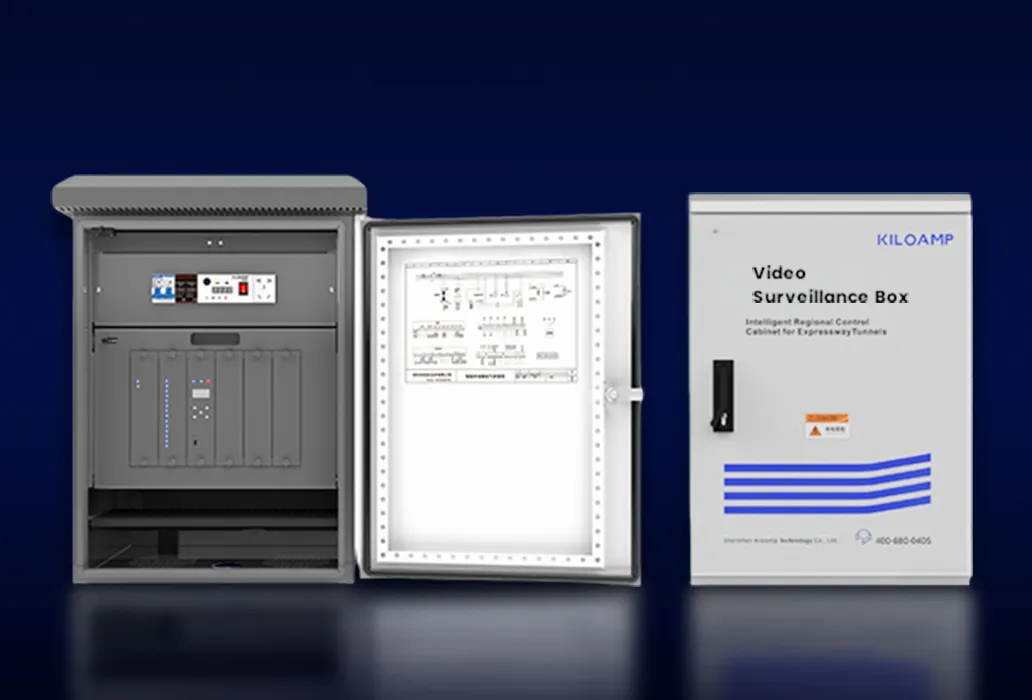
12. Distribution Box: A key device in the electrical system, responsible for distributing electrical energy, implementing control, and providing protection, ensuring the stable operation of electrical equipment.
13. Ammeter: An instrument specifically used to measure the magnitude of current in a circuit, helping engineers and electricians monitor current in real time.
14. Voltmeter: An instrument for measuring the voltage between two points in a circuit, an indispensable tool in electrical measurement.
15. Ohmmeter: An instrument for measuring the resistance value, providing important data for circuit analysis and fault detection.
16. Multimeter: A versatile instrument capable of measuring current, voltage, resistance, and other electrical quantities, a valuable assistant for electricians.
17. Grounding: Connecting a part of an electrical device to the ground through a grounding device to ensure the safety of personnel and equipment.
18. Leakage Current: The leakage of current from an electrical device through unintended paths during normal operation due to factors such as insulation aging, which requires attention.
19. Electric Shock: When the human body directly contacts or approaches a charged object, causing an electric current to pass through the body, it may result in serious injury. Therefore, preventive measures must be taken.
20. Alternating Current (AC): A type of current where the magnitude and direction change periodically over time. It is widely used in power systems.
21. Direct Current (DC): A type of current where the magnitude and direction do not change over time. It is often used in special circumstances and electronic devices.
22. Frequency: The number of times an alternating current completes a periodic change within a unit of time. It is an important parameter for measuring the characteristics of alternating current.
23. Phase: It reflects the state of an alternating current at a certain moment and is crucial for the stable operation of power systems.
24. Harmonic: The various components obtained by decomposing a periodic non-sinusoidal alternating quantity through Fourier series, which are integer multiples of the fundamental frequency. They may cause interference in power systems.
25. Reactive Power: The electrical power used to establish and maintain magnetic fields in electrical equipment. Together with active power, it constitutes apparent power.
26. Apparent Power: The product of voltage and current in a circuit with resistance and reactance. It is not the actual power consumed but can reflect the overall performance of the circuit. Mastering these electrical terms is of great significance for in-depth understanding of electrical principles, efficient electrical design, installation, and maintenance work, and is essential basic knowledge for electrical practitioners.
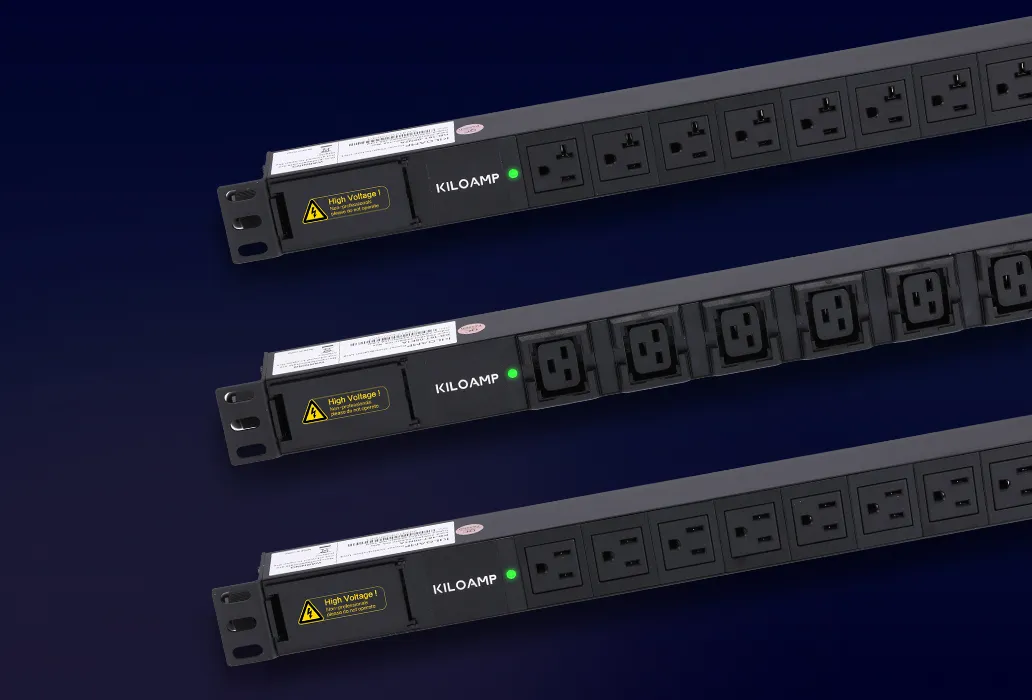
27. PDU: Power Distribution Unit. This is a device used to provide power to a rack or equipment. It usually has an overload protection function to prevent overcurrent.
28. BMS: Battery Management System. This system is used to monitor and manage the performance and health status of batteries to ensure their safety and effectiveness.
29. N+1: This is a way to represent redundant power supplies, where N power modules operate and one serves as a backup. This approach can ensure that the system can still operate normally in the event of a power failure.
30. N+X: This is another way to represent redundant power supplies, where N power modules operate and X serve as backups. This approach has higher reliability than N+1 because multiple power modules can operate simultaneously and share the load.



 English