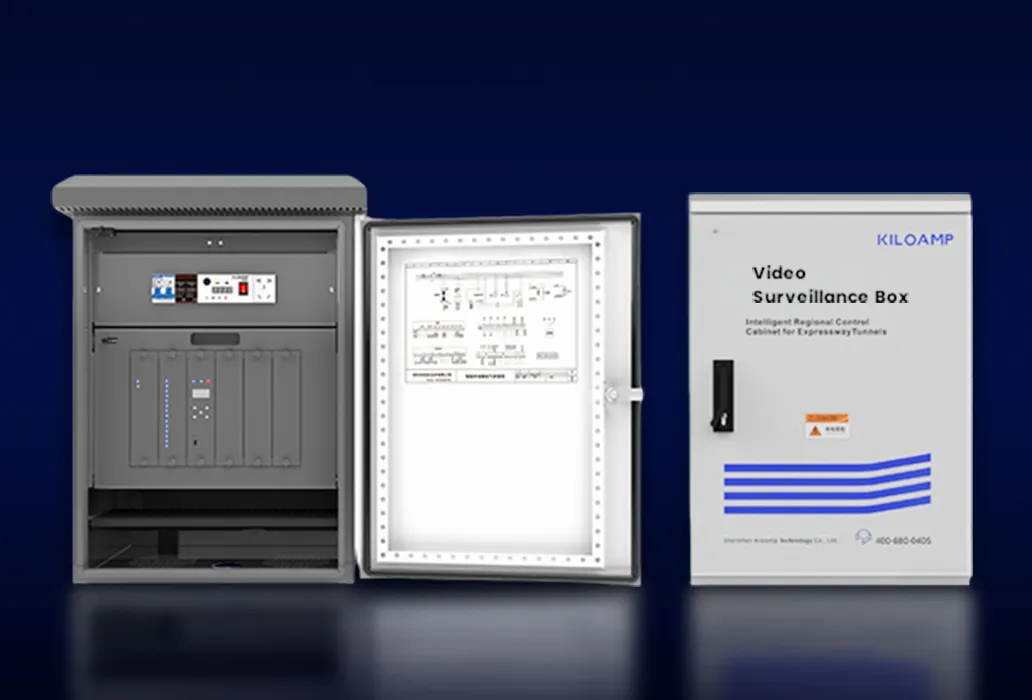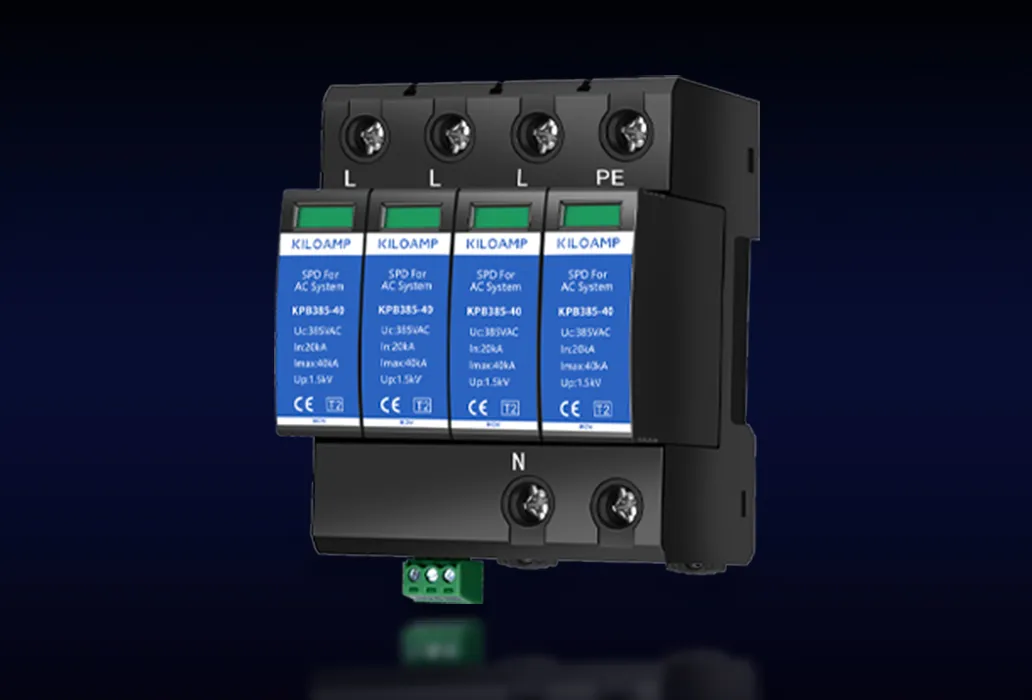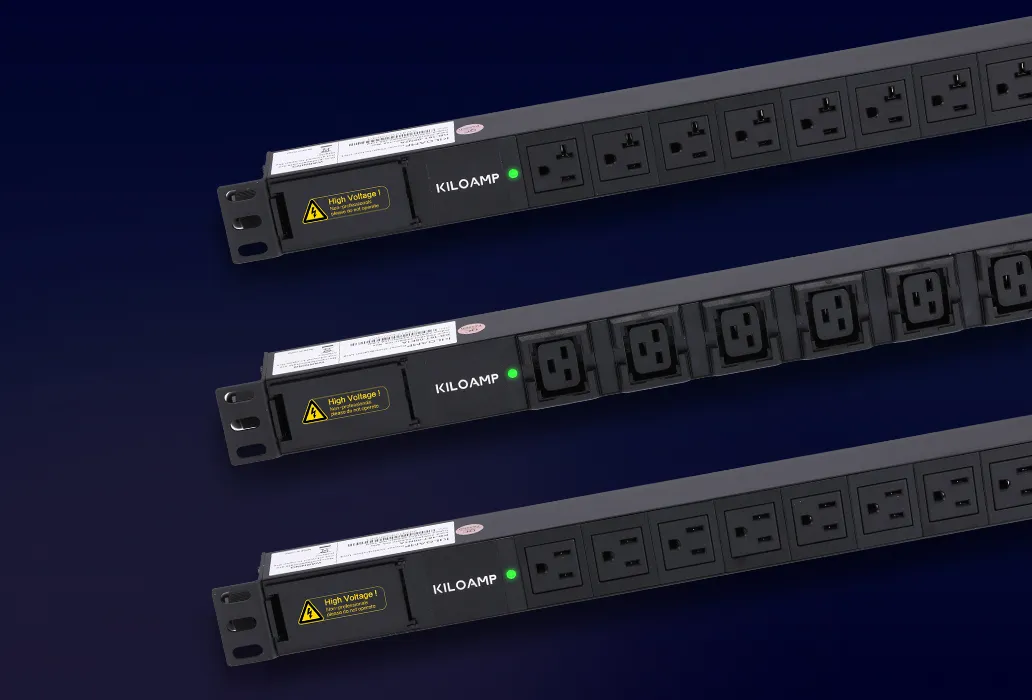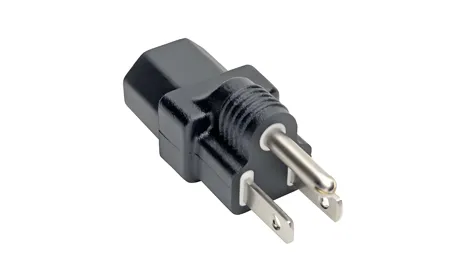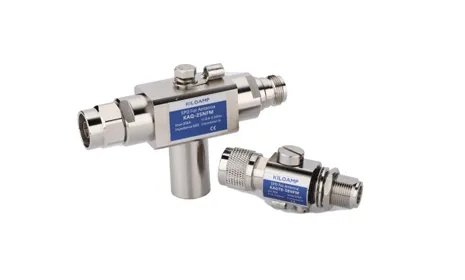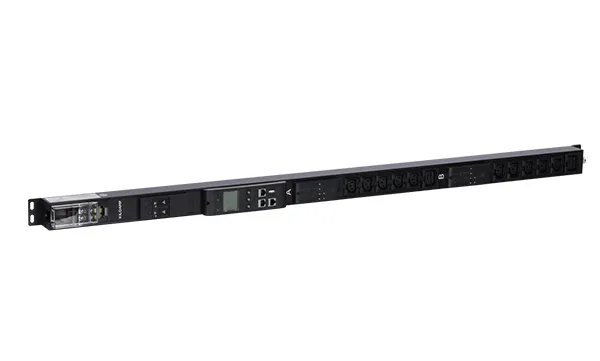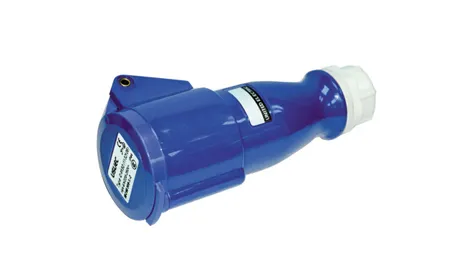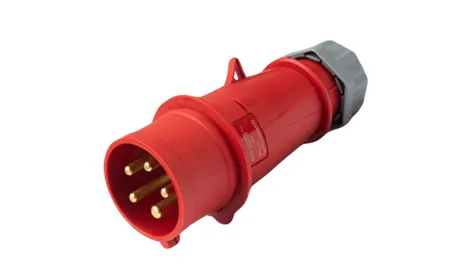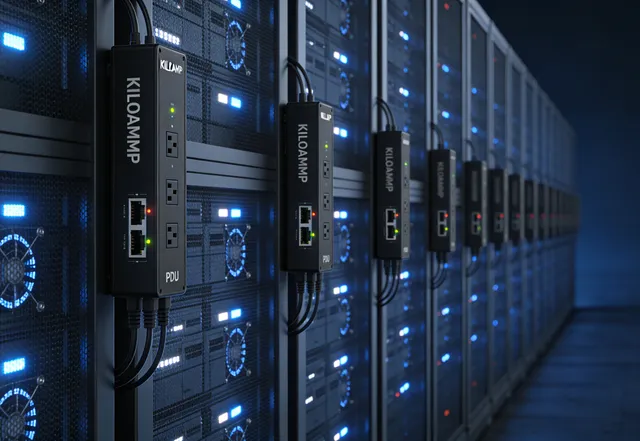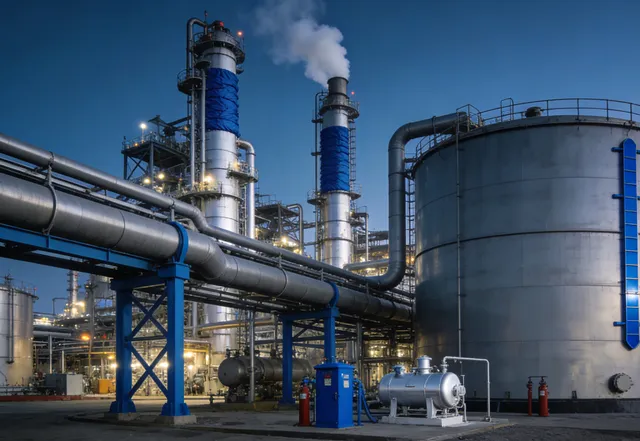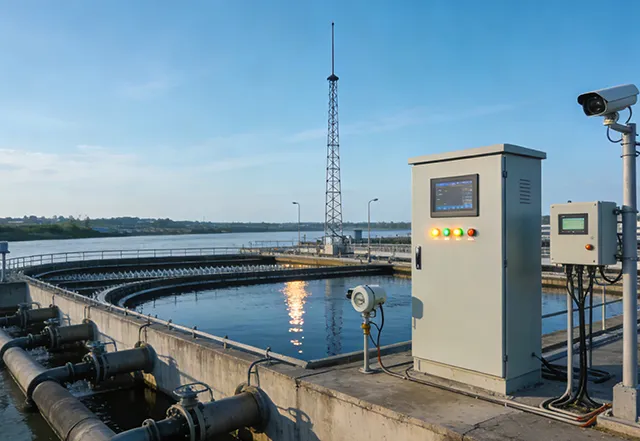


Automation control systems are composed of controllers, sensors, actuators, HMIs, communication networks, and control software. These systems are highly sensitive to voltage surges due to their low voltage tolerance, making lightning protection critical for on-site hardware components such as controllers, sensors, actuators, and communication networks. The most critical devices include controllers, sensors, and industrial switches, where both power supply lines and signal lines require simultaneous protection. Power lines typically operate on single-phase AC or 24V DC, while signal lines require surge protection for RJ45 Ethernet ports, analog signals, and RS485 interfaces.
Beyond surge protection devices (SPDs), comprehensive lightning protection for automation systems involves implementing shielding, isolation, and grounding measures. Shielded cables must be used for power and signal lines, with all equipment grounding resistance maintained below 4Ω. The cross-sectional area of SPD grounding conductors must meet specifications, and cable lengths should be optimized within reasonable limits to ensure effective grounding performance.
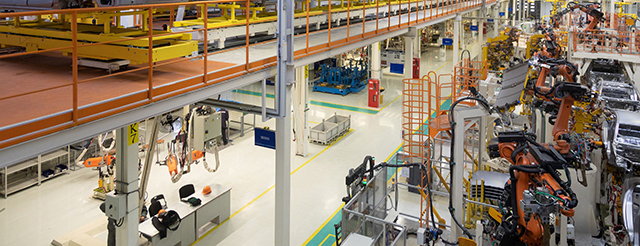
Scenario-Specific Customized Solutions
Tailored protection schemes are designed for different types of control systems, ensuring precise defense by deploying targeted product configurations based on system requirements.
Multi-Stage Collaborative Protection
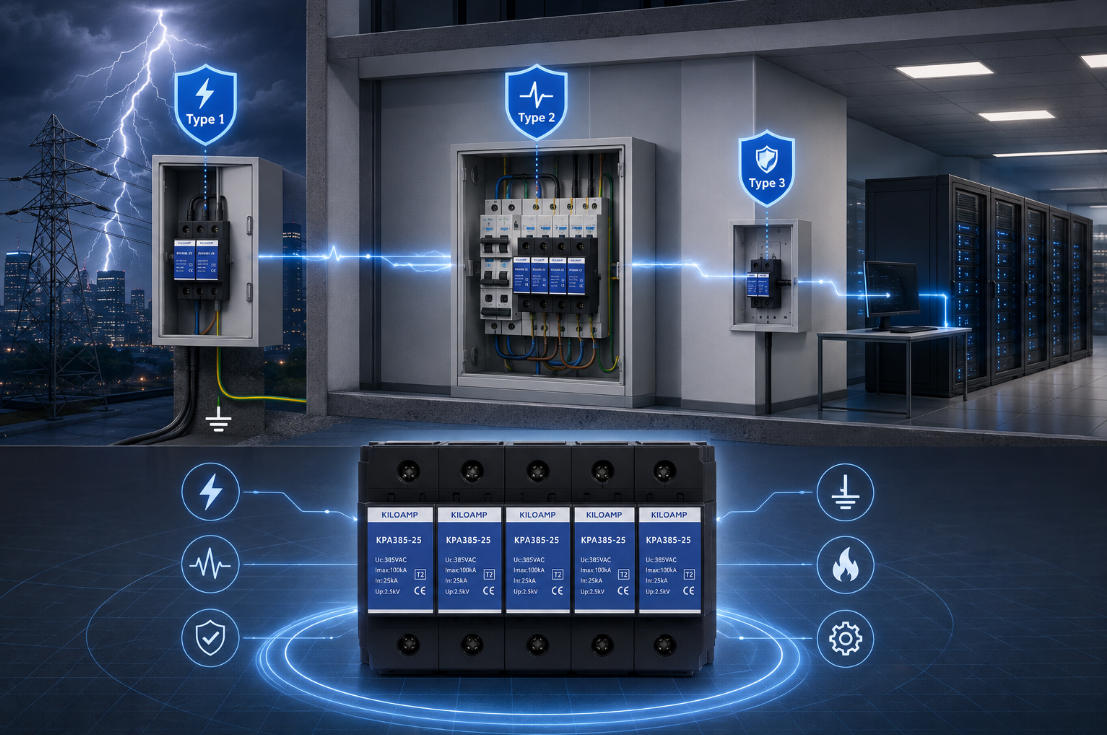
A multi-level protection architecture is implemented, with independent defense layers for AC systems, control cabinets, and field devices. This achieves microsecond-level surge response (≤1μs), clamping residual lightning voltage below 1000V to reduce equipment damage risks by over 60% (IEC 61643-11 Class II compliance).
Modular Product Design
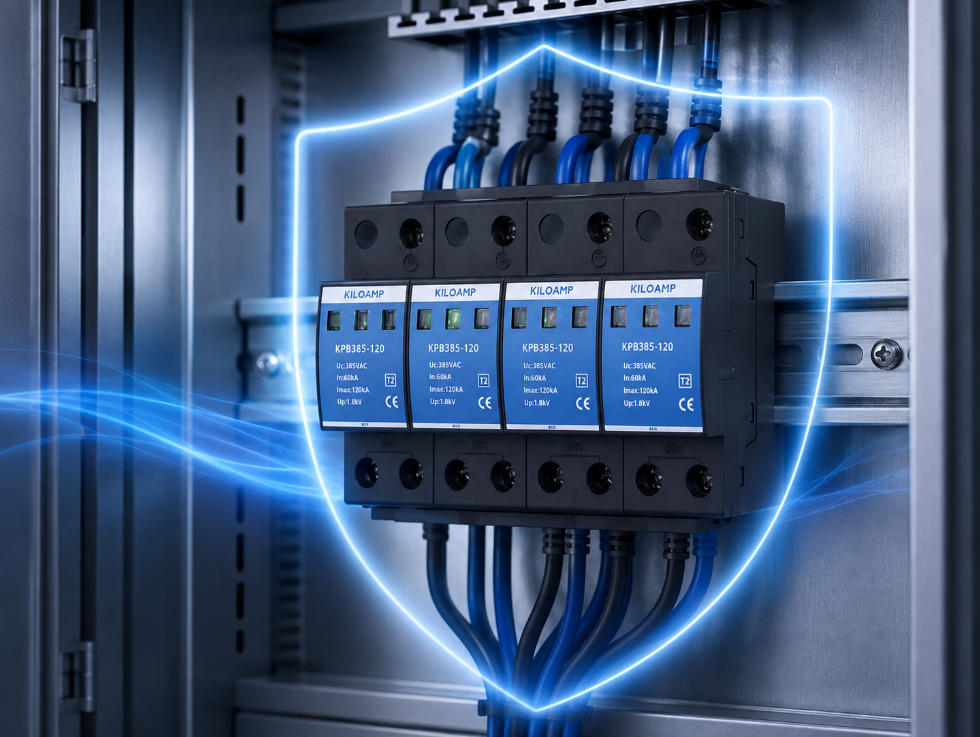
DIN rail-mounted modular components enable plug-and-play installation, simplifying wiring and commissioning while cutting labor costs by 30% in typical industrial deployments.
Intelligent Monitoring & Predictive Maintenance
IoT-enabled monitoring modules collect real-time data on lightning strikes, leakage currents, and environmental conditions. AI-driven analytics predict device lifespan and faults with 95% accuracy, generating automated maintenance alerts that reduce manual inspection workloads by 50%.


 English