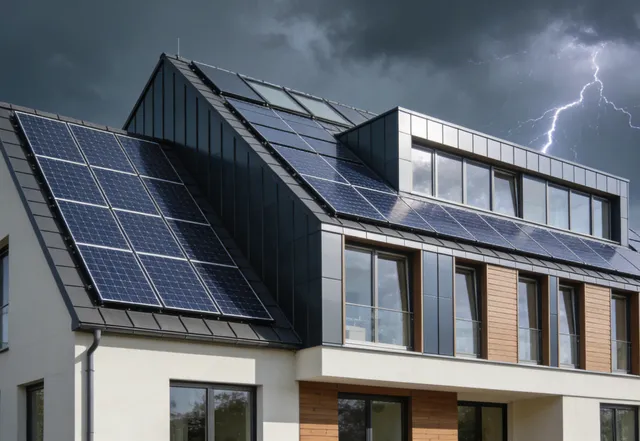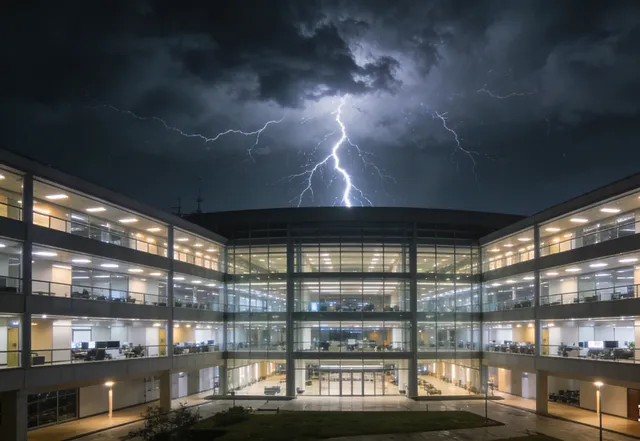


The lightning monitoring system for buildings integrates real-time monitoring of external lightning protection facilities and internal power distribution systems, forming an intelligent lightning warning and operation management system. Through multi-dimensional data collection, networked transmission, and intelligent analysis, the system achieves precise monitoring of lightning activity, dynamic evaluation of lightning protection equipment status, and early warnings of potential risks, thereby significantly enhancing the reliability and operational efficiency of building lightning protection systems.
The architecture of the building lightning monitoring system is divided into three layers: perception layer, transmission layer, and application layer.
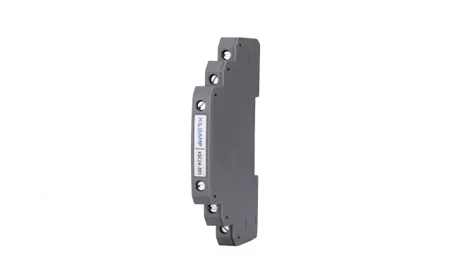
Perception Layer: Composed of various sensors and intelligent terminal devices, primarily including three categories: SPD intelligent monitoring modules (KILOAMP KMM100), direct lightning strike monitors, and grounding resistance monitors. These devices support open protocols such as Modbus and MQTT, ensuring compatibility with mainstream third-party platforms (e.g., SCADA, smart building management systems).
Transmission Layer: Managed by lightning protection monitoring hosts, this layer handles data collection, transmission, preprocessing, and local storage of lightning strike data. It supports multi-protocol access and edge computing.
lApplication Layer: Through platforms and mobile apps, this layer enables data queries, warnings, analysis, and report generation. It analyzes the distribution of lightning events and the health status of SPDs.
External lightning protection monitoring focuses on surge arresters and grounding networks, providing scientific data support for direct lightning protection of buildings. It captures current waveforms to determine lightning types and evaluates the effectiveness of direct lightning protection, enabling optimization of lightning protection strategies.
Surge Arrester Lightning Parameters: Direct lightning strike monitors in real-time collect parameters such as peak lightning current (0–200 kA), polarity, waveform, and strike frequency from surge arresters (e.g., lightning rods, straps). This data helps analyze lightning intensity and frequency.
Grounding Grid Resistance: Grounding resistance monitors use three-wire or two-wire methods to periodically measure grounding resistance, with an accuracy of ±1% within the 0–100 Ω range. This ensures compliance with national standards for grounding resistance values, preventing poor lightning current dissipation caused by grounding failures.
These outdoor devices must operate in wide temperature ranges (–40°C to 85°C), meet an IP55 or higher protection rating, and support both photovoltaic and mains power supply modes.
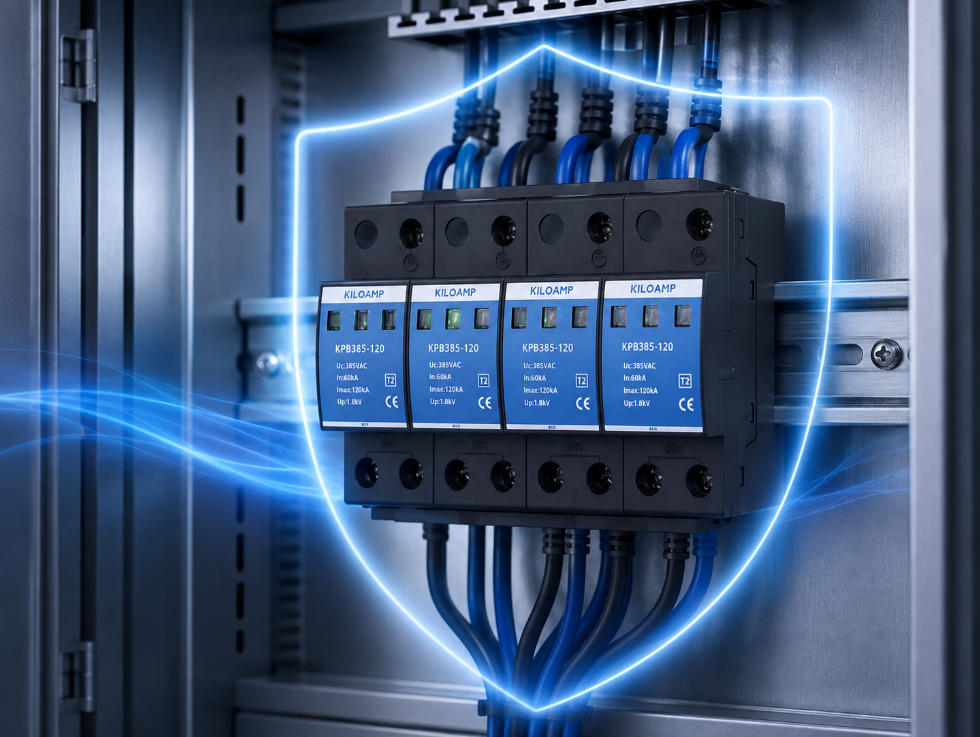
To promptly detect SPD failures or performance degradation and avoid equipment damage caused by SPD failure, internal lightning protection monitoring also evaluates the effectiveness of internal induced lightning protection through surge count statistics, enabling optimization of cabling or shielding measures. Key monitoring parameters include:
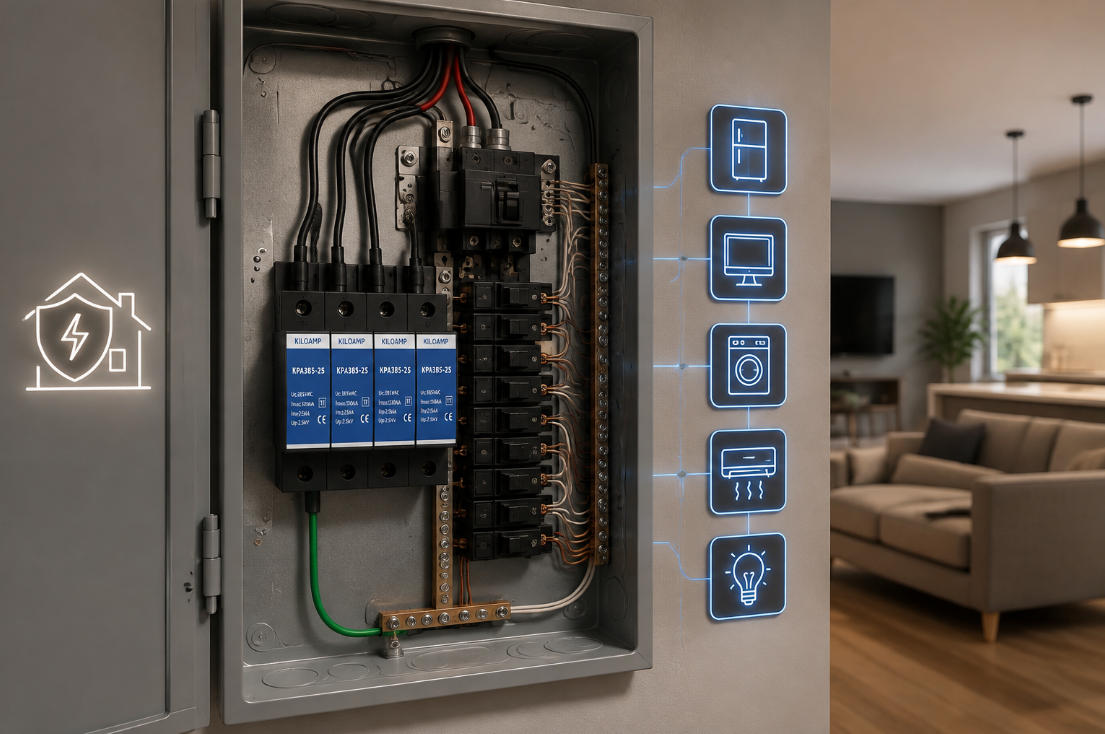
Installation of KILOAMP KMM100 SPD intelligent monitoring modules at critical nodes such as main distribution cabinets, floor distribution cabinets, server room cabinets, and UPS systems enables real-time monitoring of:
Surge Count: Tracks the number of SPD activations to assess lightning or overvoltage event frequency.
Current Intensity: Measures lightning surge energy to calculate lightning current magnitude.
Degradation Status: Monitors changes in SPD varistor resistance or spark gap status to determine aging levels.
Response Time: Tests SPD response speed to ensure effective protection against lightning surges.
Temperature and Leakage Current: Monitors SPD operating temperature and leakage current to prevent overheating or insulation failure risks.
Lifespan Prediction: Predicts remaining SPD lifespan based on degradation data, enabling proactive replacement planning.
KILOAMP intelligent monitoring modules support communication interfaces such as RS485, Ethernet, and wireless 4G/LoRa/Zigbee.
The core of building lightning protection lies in "dual defense"—direct lightning protection and internal induced lightning protection—and the lightning monitoring system is critical for achieving scientific operation and maintenance. By integrating real-time monitoring of external grounding networks and surge arresters with intelligent diagnostics of internal SPDs, managers can comprehensively assess the health of lightning protection facilities, transitioning from "reactive maintenance" to "proactive prevention." KILOAMP series monitoring devices, with their high precision, compatibility, and intelligence, provide reliable technical support for building lightning protection. Looking ahead, as IoT and AI technologies advance, lightning monitoring systems will evolve toward predictive maintenance and adaptive regulation, ensuring the safe operation of smart buildings.


 English