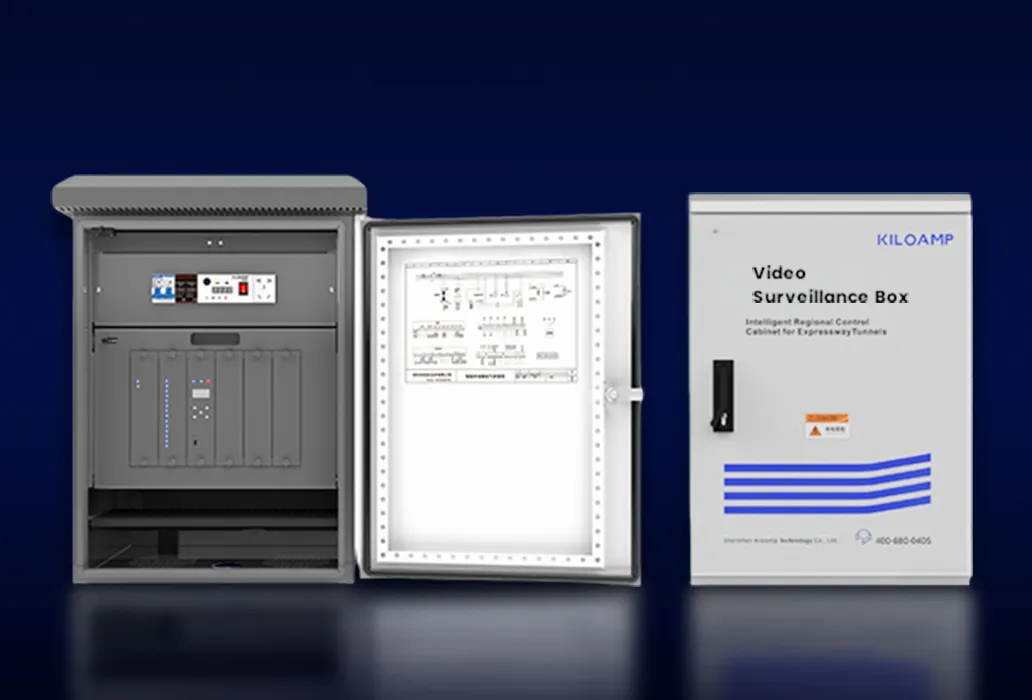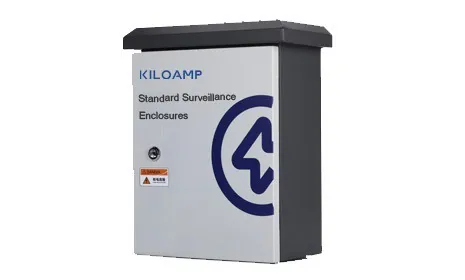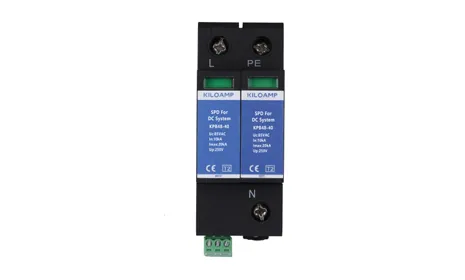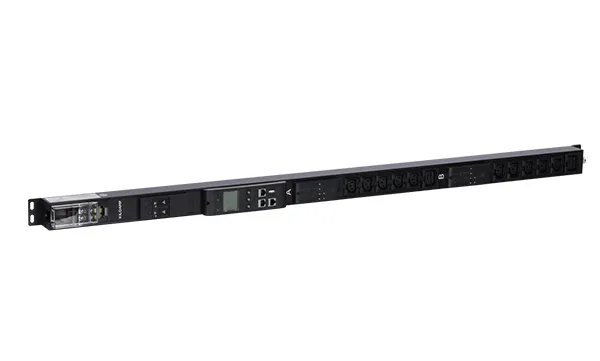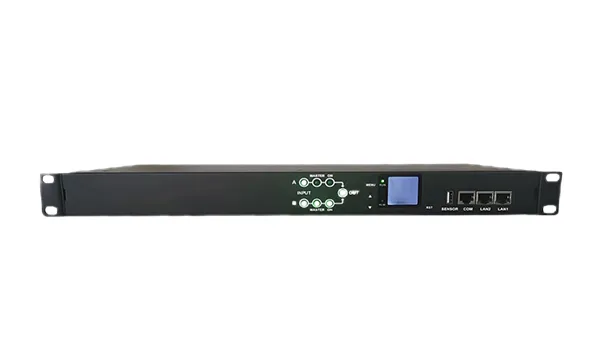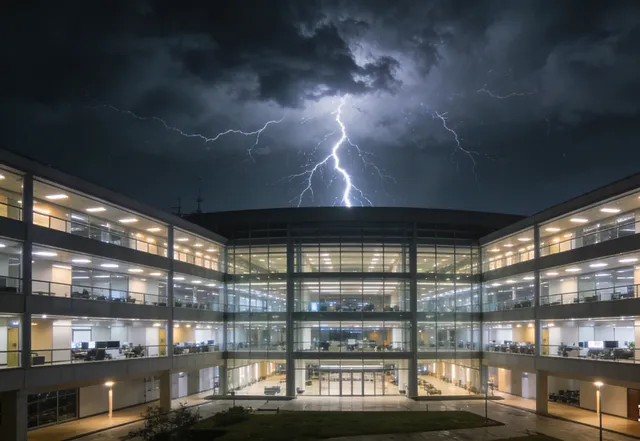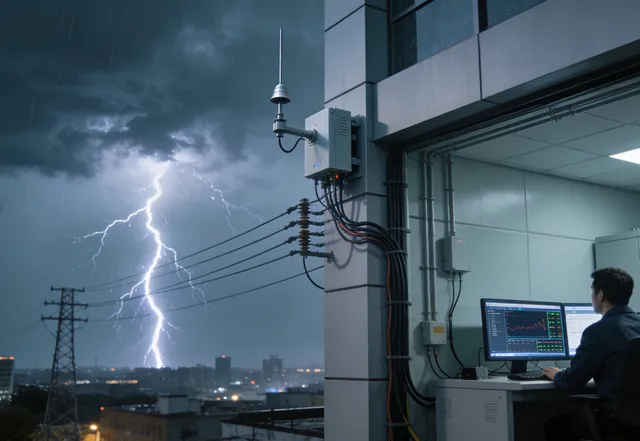


With the development of smart building technology, the safety and stability of security and low voltage systems have become particularly important. Effective lightning protection measures not only safeguard valuable electronic equipment from lightning damage but also ensure the secure transmission of information, thereby enhancing the overall reliability of the system. Security and low voltage systems mainly include subsystems such as security systems, communication systems, and server rooms. Key protected devices primarily consist of cameras, switches, access control systems, and antennas. Depending on the physical communication interfaces and electrical parameters of these devices, appropriate signal surge protectors need to be configured. When designing and implementing security and low voltage systems, it is crucial to pay attention to and implement scientifically sound lightning protection plans.
Among the components of a building's security system, the most critical device for lightning protection is the camera in the video surveillance system. Based on camera types, there are two main categories: analog cameras using coaxial cables and network cameras (IPCs) utilizing Ethernet cables. Analog cameras typically use BNC connectors, while IPCs employ RJ45 ports. KILOAMP provides corresponding surge protectors for both types of cameras, offering comprehensive power and signal protection to prevent interference with signal transmission caused by lightning electromagnetic pulses.
The power supply for cameras is generally 12VDC/24VAC but requires conversion through a power adapter. Therefore, adjustments must be made according to the installation position of the surge protector. If installed before the power adapter, the voltage should match the mains voltage, compatible with 110-240VAC. If placed between the power adapter and the camera, the voltage would be 12VDC/24VAC. It's noteworthy that many cameras utilize PoE technology; hence, surge protectors must comply with IEEE 802.3af/IEEE 802.3at/IEEE 802.3bt standards. As PD devices, cameras impose higher requirements on the transmission rate and power of surge protectors. KILOAMP's PoE surge protectors can achieve up to 60W of power and transmission rates up to 1000Mbps.
Additionally, for access control systems and electronic perimeter systems, focus should be placed on protecting power and signal lines by installing KILOAMP KPB275-4020R power surge protectors and KSE05-401 network signal surge protectors or KSE24-201 control signal surge protectors respectively.
Communication systems within buildings primarily encompass computer networks, voice systems, antenna systems, etc.
1. Computer Networks: The key points for protection involve various levels of switches, including access, aggregation, and core switches. Given that access switches often use Ethernet cables whereas other levels may adopt fiber optics, the emphasis is on protecting access switches and terminal devices. Commonly, access switches come in configurations like 1/4/8/16/24 ports, with KILOAMP's KSE05-824 switch-specific surge protector being an ideal choice, featuring 24 ports, speeds of 100/1000Mbps, and a discharge capacity of 5kA, suitable for rack mounting.
2. Voice Systems: Modern voice systems comprise analog and IP voice systems (VoIP). Protection focuses on voice patch panels, PBXs, and IP voice gateways. For PBXs with RJ11 interfaces, KILOAMP's KSA180-216 voice switch-specific surge protector supports 16/24 ports, with a maximum speed of 100Mbps and a discharge capacity of 5kA, suitable for rack mounting. For IP voice switches, the KSE05-824 switch-specific surge protector is recommended, supporting 24 ports at speeds up to 1000Mbps and a discharge capacity of 5kA, also suitable for rack mounting.
3. Antenna Systems: Antennas are usually located on rooftops, making them highly susceptible to lightning strikes. Measures must be taken to prevent overvoltage induced by lightning from entering devices along feeders. Therefore, feeder surge protectors should be installed at the connection points of antennas, such as those provided by KILOAMP, covering frequencies from 0-5.8GHz with common interfaces like SMA/N/DIN. These surge protectors should be grounded nearby.
4. Communication Base Stations: Located indoors or below antennas, communication base stations are prone to lightning strikes due to their connection via feeders. Thus, feeder surge protectors should be installed at the entry point of base station antennas to protect equipment from lightning damage, ensuring proper frequency selection and interface compatibility.
Lightning protection schemes within server rooms mainly involve power line protection, signal line protection, and equipotential bonding.
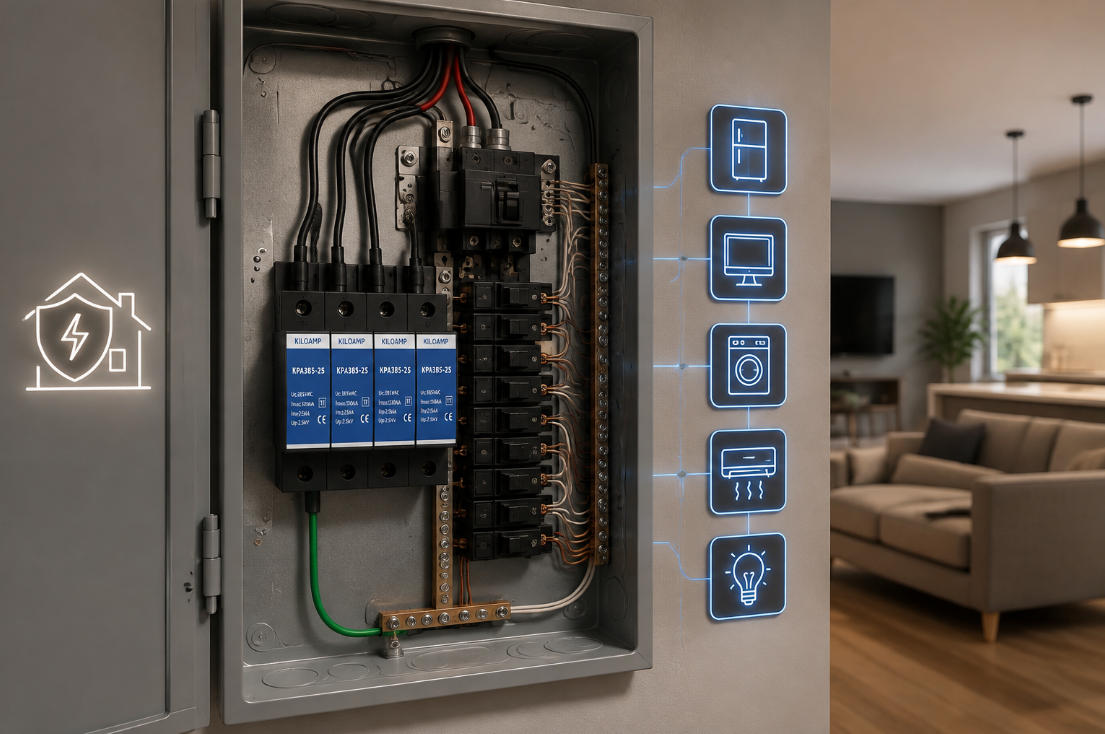
1. Power Surge Protectors
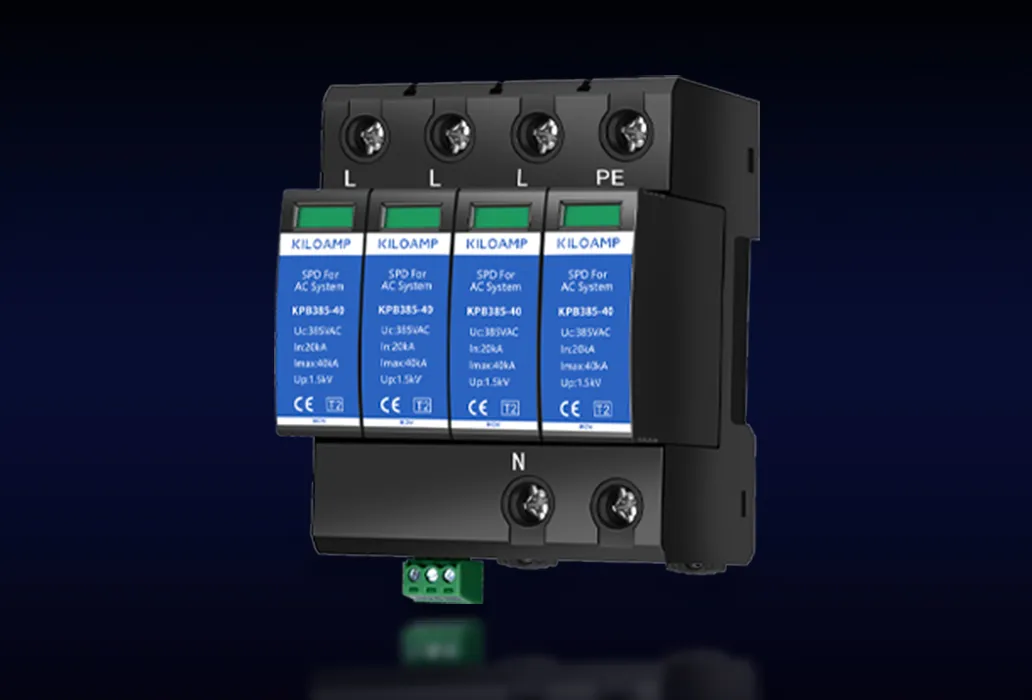
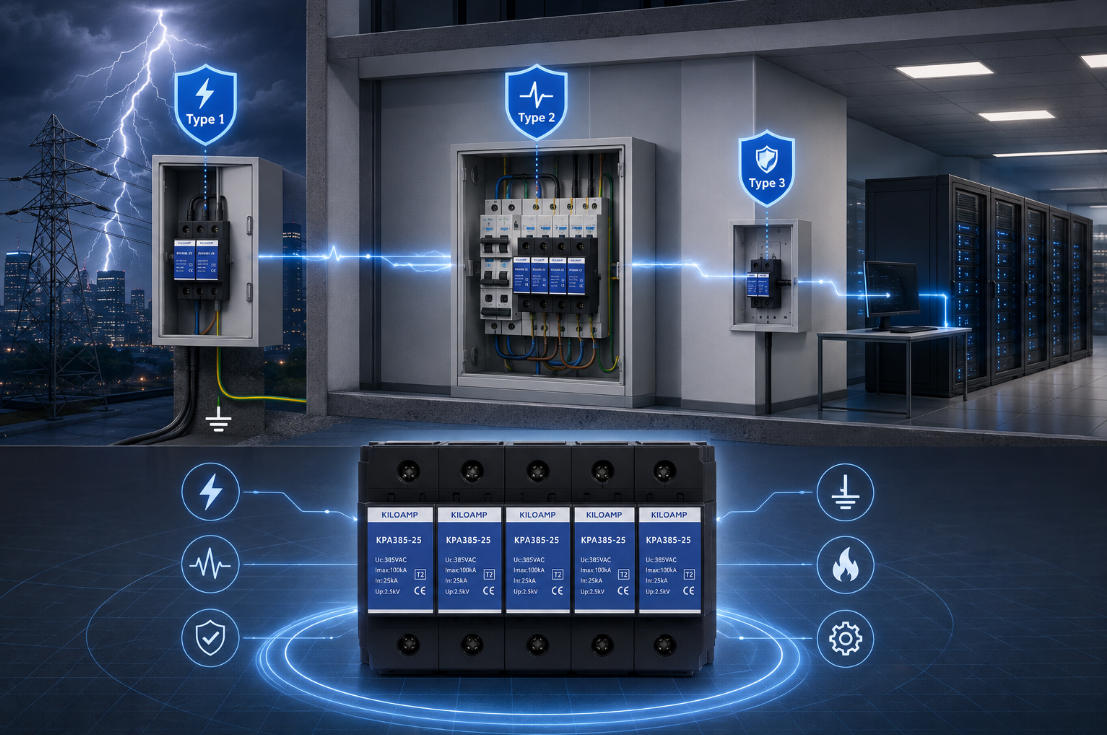
Main Distribution Cabinet: Install KILOAMP KPB275-6040R high-capacity (60kA) power surge protectors as the first level of protection for server room power supplies.
UPS Distribution Cabinet: Equip with KILOAMP KPB275-4040R medium-capacity (40kA) power surge protectors as secondary protection for UPS power sources.
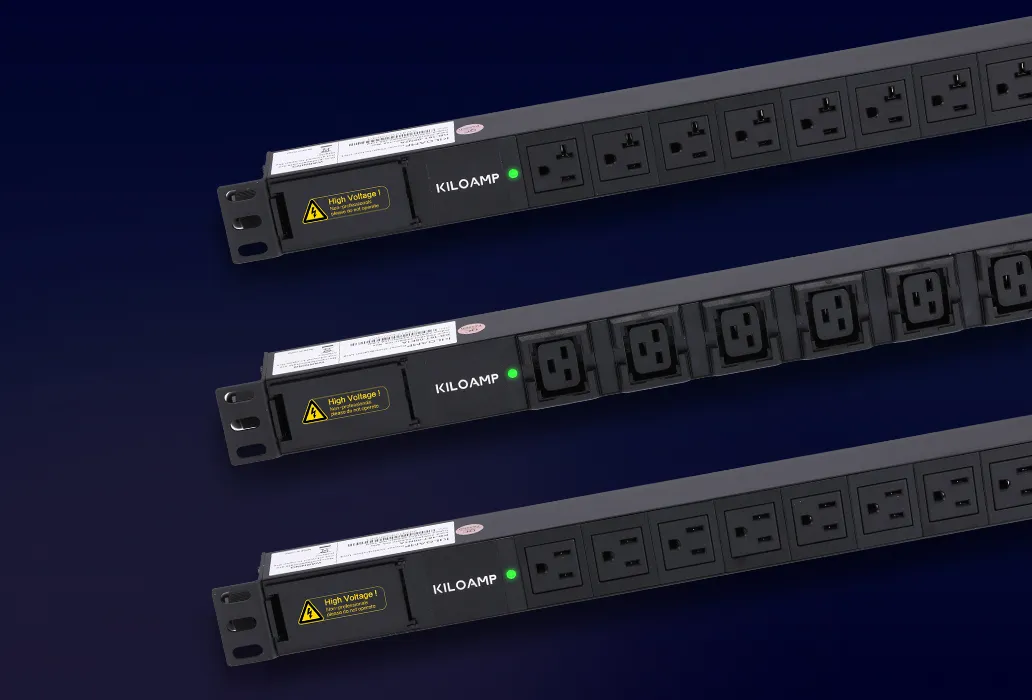
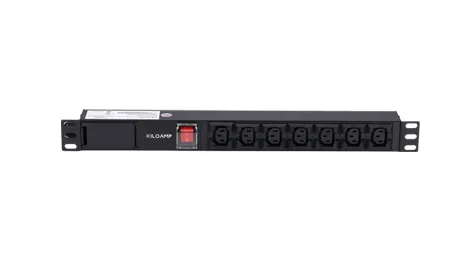
Equipment Frontend: At the frontend of servers and network devices, install KILOAMP KPB275-4040R low-capacity (10kA) power distribution units (PDUs) for precise protection.
2. Signal Surge Protectors
Install corresponding network signal surge protectors based on the number of network ports on routers, switches, servers, and other network devices. KILOAMP's KSE05-401 single-channel signal surge protector is suitable for individual network port protection, while the KSE05-424 model is ideal for rack-mounted 24-port network devices, providing protection against lightning electromagnetic pulse interference affecting network ports.
3. Equipotential Bonding
Ensure all metallic structures within the server room (such as equipment enclosures, metal pipes, cable shielding layers, etc.) are connected to an equipotential bonding bar and properly grounded to facilitate rapid dissipation of lightning currents.
In conclusion, by appropriately configuring surge protectors such as power and signal surge protectors, and fully considering environmental conditions, installation positions, and device compatibility, a comprehensive and efficient lightning protection system can be established. This not only helps extend the lifespan of equipment, reduce maintenance costs, but also plays an indispensable role in safeguarding human lives and social property.


 English