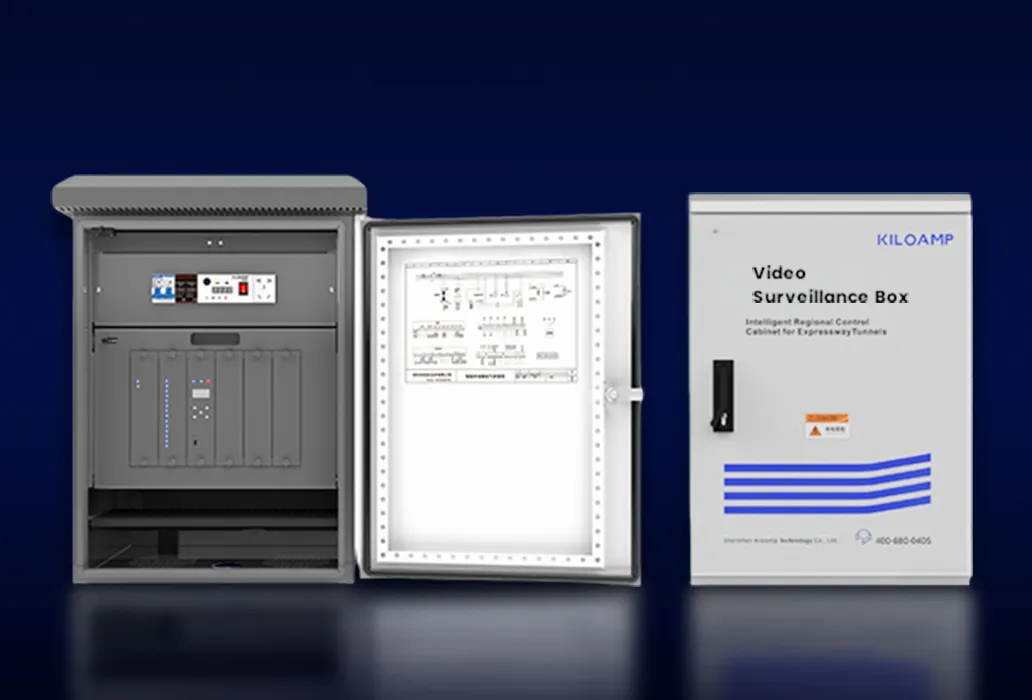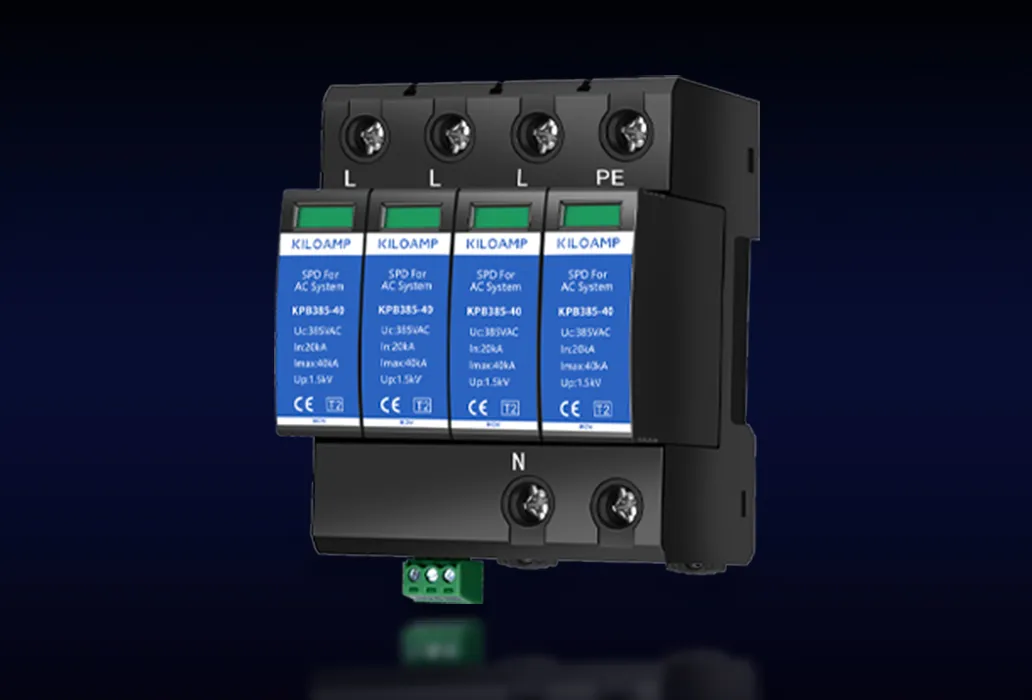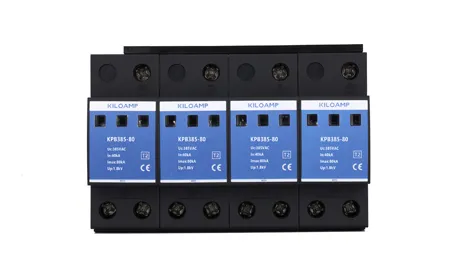


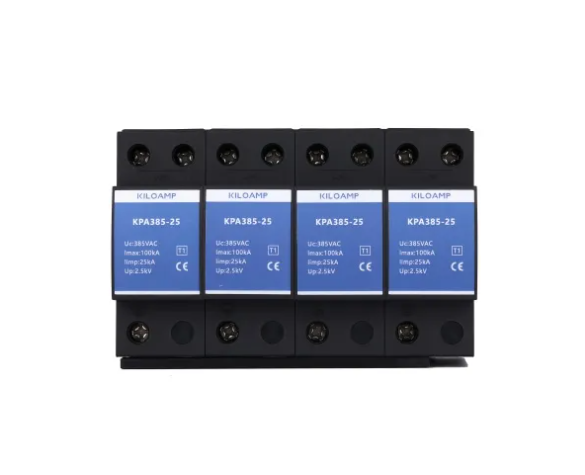
A Type 2 surge protection device is one of the most widely used protection components in low-voltage electrical systems. Installed mainly in distribution boards and sub-distribution panels, it limits transient overvoltage caused by indirect lightning effects, switching operations, motors, transformers, and other disturbances before the surge reaches sensitive equipment.
For commercial buildings, telecom sites, industrial control systems, data centers, security installations, and energy facilities, selecting the correct Type 2 SPD can reduce equipment damage, unplanned downtime, and maintenance costs. KILOAMP develops surge protection solutions for power, signal, RF, telecom, and industrial electrical systems, supporting coordinated protection at different levels of the installation.
A Type 2 surge protection device is an SPD designed primarily for installation in low-voltage distribution systems to limit transient overvoltage and divert surge current before it reaches downstream electrical equipment.
A Type 2 surge protector is generally installed after the main incoming protection or directly in distribution panels where the risk of direct lightning current is lower but transient surges are still possible. It is commonly used to protect control equipment, servers, CCTV systems, telecom devices, industrial machinery, and other sensitive electrical loads.
Unlike a circuit breaker, which responds mainly to overloads and short circuits, a surge protection device responds to extremely short overvoltage events. During normal operation, the SPD remains in a high-impedance state. When the voltage rises beyond its protection threshold, the device rapidly conducts surge energy toward ground.
For many buildings, surge protection Type 2 forms the main panel-level protection stage between incoming lightning protection and sensitive terminal equipment.
Type 2 surge protection works by detecting transient overvoltage, creating a low-impedance discharge path, and limiting the voltage reaching protected equipment.
Most Type 2 SPDs use components such as metal oxide varistors to respond rapidly when the voltage exceeds an acceptable level. During a surge event, the SPD diverts part of the transient current away from the protected circuit and toward the grounding system.
Several electrical parameters are important when evaluating a Type 2 surge protection device. The nominal discharge current, or In, represents the surge current level the SPD is designed to withstand repeatedly under specified test conditions. Imax indicates the maximum discharge current the device can handle, while Up represents the voltage protection level remaining across the SPD during the surge.
Response speed is also important. Some KILOAMP surge protection products specify response times of ≤25 ns, allowing the device to react to very fast transient events.
A Type 2 SPD does not eliminate every voltage disturbance. Its function is to reduce transient energy to a level that downstream equipment or an additional Type 3 SPD can safely withstand.
A Type 2 surge protection device is commonly used in distribution panels, industrial control cabinets, telecom power systems, security networks, and commercial electrical installations.
Typical applications include:
Distribution boards in commercial and residential buildings
PLC and automation control cabinets
Telecom base stations and communication equipment
CCTV and security power systems
Data center and server-room distribution
Solar, energy, and industrial electrical systems
A Type 2 surge protector is especially useful where switching loads or indirect lightning effects may introduce transient overvoltage into the electrical network.
System voltage and grounding configuration must always be considered. A Type 2 SPD designed for a particular AC or DC voltage cannot simply be installed in another system without checking parameters such as maximum continuous operating voltage, discharge capability, and pole configuration.
KILOAMP provides modular surge protective devices for different power and industrial applications, allowing engineers to match SPD specifications with the electrical environment rather than relying on one universal solution.
Correct Type 2 SPD installation requires proper positioning, short connecting conductors, reliable grounding, and electrical ratings that match the protected system.
The SPD should normally be installed as close as practical to the distribution point it is protecting. Long conductors add inductance, which can increase the residual voltage reaching downstream equipment during a fast surge.
Installers should pay particular attention to five areas:
Voltage compatibility: Uc and system voltage must be correctly matched.
Grounding: The earth connection should be short, direct, and reliable.
Cable routing: SPD conductors should avoid unnecessary loops and excessive length.
Overcurrent protection: Follow the manufacturer's recommended backup fuse or circuit breaker requirements.
Status monitoring: Visual indicators or remote contacts can help identify a failed or degraded SPD.
For coordinated Type 2 surge protection, installers should also consider whether upstream Type 1 protection or downstream Type 3 protection is required. A single SPD cannot always protect an entire installation effectively if equipment is distributed across multiple electrical levels.
Type 1, Type 2, and Type 3 SPDs differ mainly in where they are installed and the level of surge energy they are designed to manage.
| Feature | Type 1 SPD | Type 2 SPD | Type 3 SPD |
|---|---|---|---|
| Typical Location | Main service entrance | Distribution panel | Near sensitive equipment |
| Main Function | Handles high-energy lightning current | Limits residual and switching surges | Fine protection |
| Surge Exposure | Highest | Medium | Lower residual surge |
| Common Applications | Main incoming power | Panels and control cabinets | Servers, PLCs, electronics |
| Protection Role | First stage | Second stage | Final stage |
A Type 2 surge protection device sits between these two protection levels. It is often the most commonly installed SPD because distribution panels are where many electrical systems require practical surge protection.
Type 1 devices are more suitable at service entrances exposed to higher lightning currents, while Type 3 SPDs are positioned close to sensitive terminal equipment. In higher-risk installations, coordinated Type 1, Type 2, and Type 3 protection provides progressively lower surge energy as the transient moves through the electrical system.
For most industrial and commercial projects, selecting the correct Type 2 SPD requires evaluating system voltage, expected surge exposure, In, Imax, Up, grounding quality, and coordination with other protection stages. KILOAMP provides surge protection devices for multiple electrical and communication applications, helping engineers build reliable multi-level protection systems.
A Type 2 surge protection device is mainly used in distribution panels to limit transient overvoltage caused by indirect lightning effects and electrical switching events.
A Type 2 SPD is commonly installed in main or sub-distribution boards, industrial control panels, telecom cabinets, and other low-voltage distribution points.
Type 1 is designed for higher-energy lightning currents at the service entrance, while Type 2 surge protection is mainly used to reduce residual and switching surges at the distribution level.
In some installations, yes. Whether Type 1 protection is required depends on lightning exposure, building configuration, incoming lines, and the electrical protection design.
In is the nominal discharge current used to characterize repetitive surge performance, while Imax is the maximum discharge current the SPD can withstand under specified test conditions.
Check system voltage, maximum continuous operating voltage, In, Imax, Up, pole configuration, grounding system, installation position, and coordination with upstream or downstream SPDs.



 English