

A surge protective device is an essential part of modern electrical protection systems because lightning events, switching operations, motors, and other electrical disturbances can create short-duration overvoltages capable of damaging sensitive equipment. For data centers, telecom facilities, industrial control systems, security installations, and commercial buildings, proper SPD surge protection can help reduce equipment failure and unexpected downtime.
However, selecting a surge protective device involves more than choosing the highest kA rating. Engineers and buyers need to consider the installation position, system voltage, discharge current, voltage protection level, grounding conditions, and coordination between different protection stages.
KILOAMP develops surge protection solutions for power, communication, RF, telecom, security, and industrial applications, helping system integrators and project buyers build multi-level electrical protection systems.
A surge protective device is an electrical protection component designed to limit transient overvoltage and divert surge current away from protected equipment.
Under normal operating conditions, an SPD remains in a high-impedance state and has little influence on the electrical system. When a transient voltage exceeds its operating threshold, the device rapidly provides a lower-impedance path and diverts surge energy toward the grounding system. After the event, it returns to its normal state.
This process can occur extremely quickly. For example, some KILOAMP power SPD products specify response times of ≤25 ns, illustrating why an SPD protection device can react before a transient reaches sensitive downstream electronics.
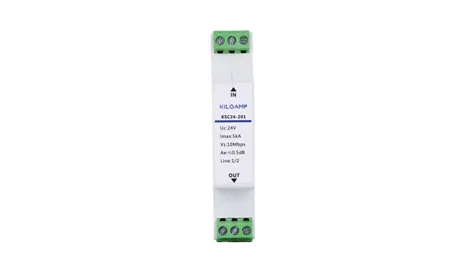
Typical surge sources include lightning-induced currents, utility switching, motor starting and stopping, transformer operations, and other sudden changes in an electrical network. Because surges can enter through both power and signal cables, complete protection may require coordinated power and communication-line SPDs.
A surge protective device is an essential part of modern electrical protection systems because lightning events, switching operations, motors, and other electrical disturbances can create short-duration overvoltages capable of damaging sensitive equipment. For data centers, telecom facilities, industrial control systems, security installations, and commercial buildings, proper SPD surge protection can help reduce equipment failure and unexpected downtime.
However, selecting a surge protective device involves more than choosing the highest kA rating. Engineers and buyers need to consider the installation position, system voltage, discharge current, voltage protection level, grounding conditions, and coordination between different protection stages.
KILOAMP develops surge protection solutions for power, communication, RF, telecom, security, and industrial applications, helping system integrators and project buyers build multi-level electrical protection systems.
A surge protective device is an electrical protection component designed to limit transient overvoltage and divert surge current away from protected equipment.
Under normal operating conditions, an SPD remains in a high-impedance state and has little influence on the electrical system. When a transient voltage exceeds its operating threshold, the device rapidly provides a lower-impedance path and diverts surge energy toward the grounding system. After the event, it returns to its normal state.
This process can occur extremely quickly. For example, some KILOAMP power SPD products specify response times of ≤25 ns, illustrating why an SPD protection device can react before a transient reaches sensitive downstream electronics.
Typical surge sources include lightning-induced currents, utility switching, motor starting and stopping, transformer operations, and other sudden changes in an electrical network. Because surges can enter through both power and signal cables, complete protection may require coordinated power and communication-line SPDs.
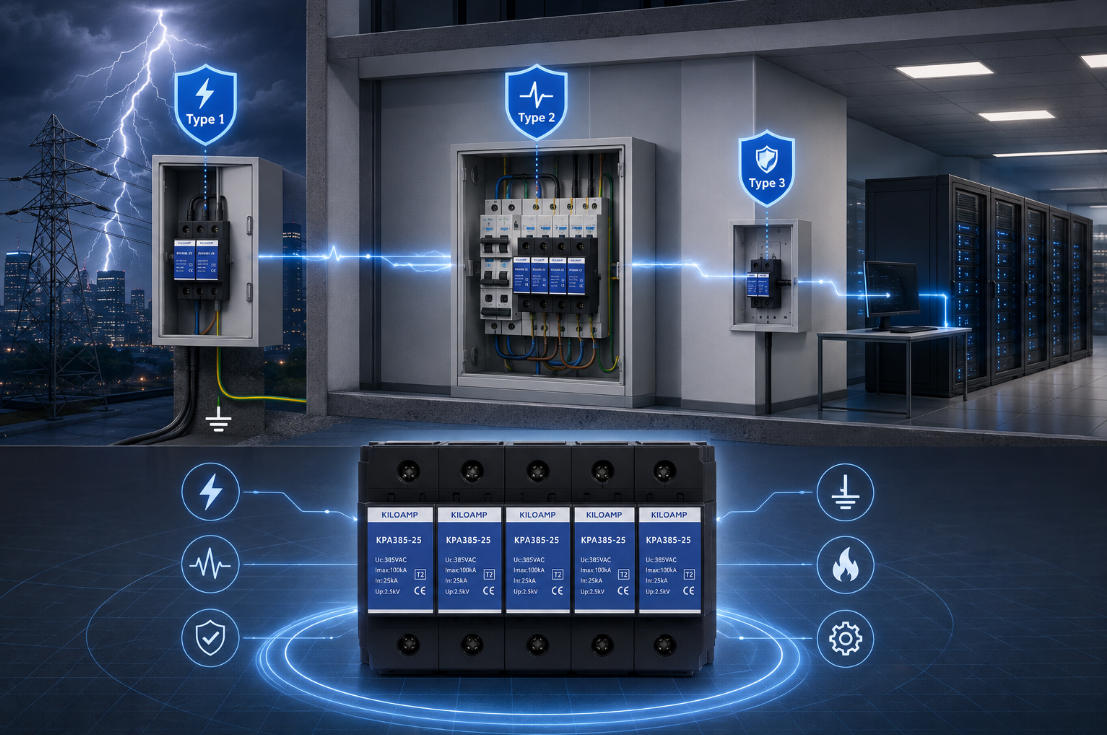
The main surge protective device types are Type 1, Type 2, and Type 3, each designed for a different installation position and level of surge energy.
| SPD Type | Typical Installation | Main Protection Role | Typical Application |
|---|---|---|---|
| Type 1 | Service entrance or main incoming panel | Handles high-energy lightning surge current | Main distribution, exposed facilities |
| Type 2 | Distribution or sub-distribution panel | Limits residual transient overvoltage | Industrial panels, commercial buildings |
| Type 3 | Close to terminal equipment | Fine protection for sensitive electronics | PLCs, servers, controls, communication devices |
A Type 1 surge protective device is generally installed near the incoming power side where the electrical system may be exposed to higher lightning energy. It is particularly relevant for facilities with external lightning protection, overhead incoming lines, exposed infrastructure, telecom stations, and industrial sites.
Its primary role is to discharge significant surge current before that energy travels deeper into the electrical network. Type 1 protection is therefore commonly considered the first stage in a coordinated protection system.
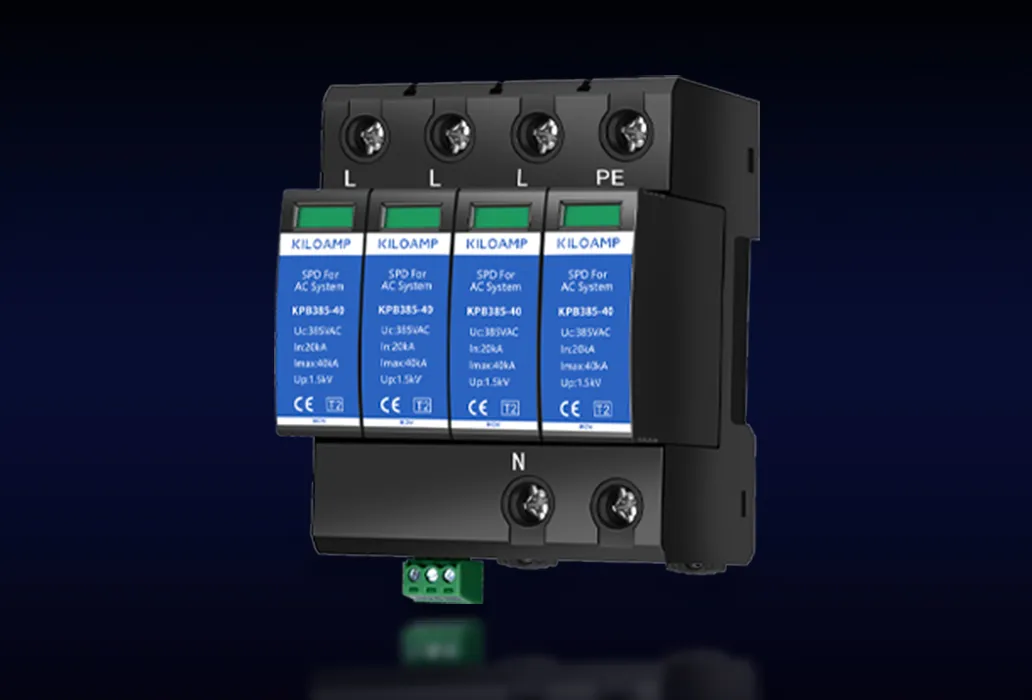
A type 2 surge protection device is widely installed in distribution boards, control cabinets, sub-panels, and low-voltage distribution systems. It reduces residual overvoltage that remains after upstream protection or results from switching events within the electrical installation.
For many commercial and industrial projects, Type 2 is the most frequently used type SPD at the panel level. It can protect automation equipment, telecom systems, CCTV power supplies, building services, and other downstream circuits.
A type 3 SPD is typically positioned close to sensitive terminal equipment and provides fine protection against lower-energy residual surges.
Applications include PLCs, monitoring instruments, servers, communication equipment, sensors, security devices, and terminal power systems. Type 3 should normally work together with upstream Type 1 or Type 2 protection rather than serving as the only surge protective device in a high-risk installation.
Selecting the right surge protective device requires matching its electrical ratings and SPD type to the actual power system, lightning exposure, and protected equipment.
Important selection factors include:
System voltage: Match nominal and maximum continuous operating voltage to the electrical network.
Installation level: Determine whether Type 1, Type 2, Type 3, or coordinated protection is required.
Discharge capability: Compare parameters such as Iimp, In, and Imax with expected surge exposure.
Voltage protection level: The Up value should remain below the impulse withstand capability of downstream equipment.
Power system configuration: Confirm single-phase or three-phase installation and the applicable grounding arrangement.
Maintenance requirements: Consider status indicators, replaceable modules, remote alarm contacts, and monitoring functions.
The correct surge protective device is therefore not necessarily the model with the largest discharge rating. Overspecifying one parameter while ignoring system voltage, installation position, or protection coordination may result in an inefficient design.
KILOAMP offers power surge protectors as well as signal, RF, and intelligent lightning-monitoring products, allowing protection schemes to address multiple surge entry paths.
Correct surge protective device installation is essential because excessive cable length, poor grounding, or incorrect positioning can reduce effective surge protection.
An SPD should generally be installed as close as practical to the point it is intended to protect. Connecting conductors should be kept short and direct because additional conductor length can increase the voltage seen by protected equipment during a surge event.
Grounding is equally important. A surge protective device cannot effectively divert transient current if the grounding path has excessive impedance or unreliable connections. Installers should also follow the device manufacturer's wiring requirements, upstream overcurrent protection recommendations, conductor size specifications, and applicable electrical standards.
For multi-stage SPD surge protection, Type 1, Type 2, and Type 3 devices should be coordinated so that surge energy is progressively reduced from the service entrance toward sensitive loads.
Regular inspection is also necessary. Status indicators and remote contacts can help maintenance teams identify a failed or degraded SPD before the next surge event.
Choosing and installing the right surge protective device requires a system-level approach. Type 1 provides protection against higher-energy surge events, a type 2 surge protection device protects distribution circuits, and a type 3 SPD provides final-stage protection for sensitive equipment. KILOAMP supports power, signal, RF, and intelligent surge protection applications for projects that require coordinated electrical safety.
A surge protective device limits transient overvoltage and diverts surge current to help protect electrical and electronic equipment from lightning and switching surges.
The three main surge protective device types are Type 1, Type 2, and Type 3. They are normally installed at the service entrance, distribution level, and equipment level respectively.
A type 2 surge protection device is commonly installed in distribution boards, sub-panels, control cabinets, and other low-voltage distribution points.
A Type 3 SPD is intended primarily for fine protection near sensitive equipment. In installations with significant surge exposure, it should usually coordinate with upstream Type 1 or Type 2 protection.
In is the nominal discharge current that characterizes repetitive surge capability, while Imax represents the maximum discharge current the SPD is designed to withstand under specified test conditions.
Many SPDs include visual status indicators or remote alarm contacts. If the status indicates failure or the device has been damaged, it should be replaced according to the manufacturer's instructions.control cabinets, sub-panels, and low-voltage distribution systems. It reduces residual overvoltage that remains after upstream protection or results from switching events within the electrical installation.
For many commercial and industrial projects, Type 2 is the most frequently used type SPD at the panel level. It can protect automation equipment, telecom systems, CCTV power supplies, building services, and other downstream circuits.
A type 3 SPD is typically positioned close to sensitive terminal equipment and provides fine protection against lower-energy residual surges.
Applications include PLCs, monitoring instruments, servers, communication equipment, sensors, security devices, and terminal power systems. Type 3 should normally work together with upstream Type 1 or Type 2 protection rather than serving as the only surge protective device in a high-risk installation.
Selecting the right surge protective device requires matching its electrical ratings and SPD type to the actual power system, lightning exposure, and protected equipment.
Important selection factors include:
System voltage: Match nominal and maximum continuous operating voltage to the electrical network.
Installation level: Determine whether Type 1, Type 2, Type 3, or coordinated protection is required.
Discharge capability: Compare parameters such as Iimp, In, and Imax with expected surge exposure.
Voltage protection level: The Up value should remain below the impulse withstand capability of downstream equipment.
Power system configuration: Confirm single-phase or three-phase installation and the applicable grounding arrangement.
Maintenance requirements: Consider status indicators, replaceable modules, remote alarm contacts, and monitoring functions.
The correct surge protective device is therefore not necessarily the model with the largest discharge rating. Overspecifying one parameter while ignoring system voltage, installation position, or protection coordination may result in an inefficient design.
KILOAMP offers power surge protectors as well as signal, RF, and intelligent lightning-monitoring products, allowing protection schemes to address multiple surge entry paths.
Correct surge protective device installation is essential because excessive cable length, poor grounding, or incorrect positioning can reduce effective surge protection.
An SPD should generally be installed as close as practical to the point it is intended to protect. Connecting conductors should be kept short and direct because additional conductor length can increase the voltage seen by protected equipment during a surge event.
Grounding is equally important. A surge protective device cannot effectively divert transient current if the grounding path has excessive impedance or unreliable connections. Installers should also follow the device manufacturer's wiring requirements, upstream overcurrent protection recommendations, conductor size specifications, and applicable electrical standards.
For multi-stage SPD surge protection, Type 1, Type 2, and Type 3 devices should be coordinated so that surge energy is progressively reduced from the service entrance toward sensitive loads.
Regular inspection is also necessary. Status indicators and remote contacts can help maintenance teams identify a failed or degraded SPD before the next surge event.
Choosing and installing the right surge protective device requires a system-level approach. Type 1 provides protection against higher-energy surge events, a type 2 surge protection device protects distribution circuits, and a type 3 SPD provides final-stage protection for sensitive equipment. KILOAMP supports power, signal, RF, and intelligent surge protection applications for projects that require coordinated electrical safety.
A surge protective device limits transient overvoltage and diverts surge current to help protect electrical and electronic equipment from lightning and switching surges.
The three main surge protective device types are Type 1, Type 2, and Type 3. They are normally installed at the service entrance, distribution level, and equipment level respectively.
A type 2 surge protection device is commonly installed in distribution boards, sub-panels, control cabinets, and other low-voltage distribution points.
A Type 3 SPD is intended primarily for fine protection near sensitive equipment. In installations with significant surge exposure, it should usually coordinate with upstream Type 1 or Type 2 protection.
In is the nominal discharge current that characterizes repetitive surge capability, while Imax represents the maximum discharge current the SPD is designed to withstand under specified test conditions.
Many SPDs include visual status indicators or remote alarm contacts. If the status indicates failure or the device has been damaged, it should be replaced according to the manufacturer's instructions.



 English