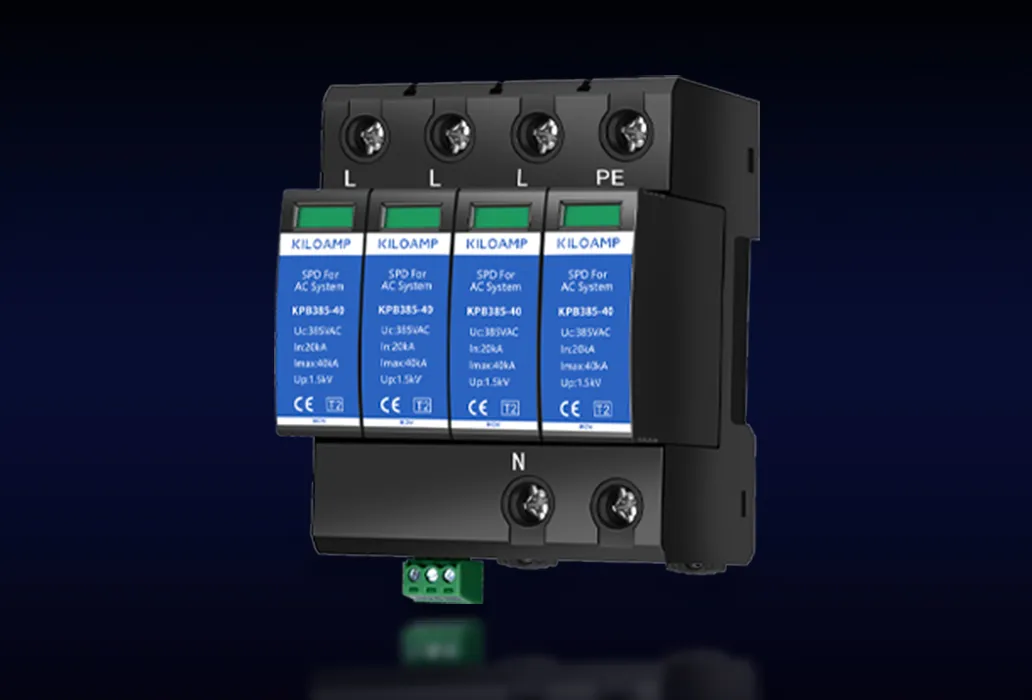


A surge protector, sometimes referred to as a surge suppressor, is a critical safety device designed to protect electronic equipment from voltage spikes or power surges. These power surges can cause immediate or long-term damage to sensitive electronics like computers, televisions, routers, gaming systems, and home entertainment centers. In today’s world—where modern electronics rely on precise voltage levels—surge protection is no longer a luxury but a necessity.
Surges can originate from various sources, including lightning strikes, power grid switching, downed power lines, and even large household appliances cycling on and off, such as air conditioners or refrigerators. Even small, frequent surges can degrade circuit components over time, eventually leading to premature device failure. This makes surge protectors an essential line of defense against unexpected electrical issues.
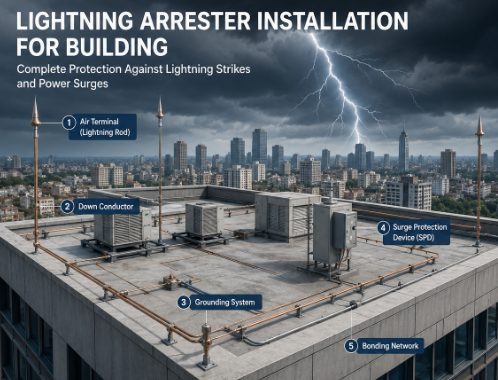
Surge protectors work by redirecting excessive voltage away from your electronic devices and safely dispersing it into the ground. They use specialized components to monitor electrical flow and spring into action when a voltage spike occurs.
The two main technologies used in surge protectors are Metal Oxide Varistors (MOVs) and Gas Discharge Arrestors (GDRs):
Metal Oxide Varistors (MOVs):
MOVs are the most commonly used components in surge protectors. A MOV sits between the hot and ground wires inside the device. It contains a metal oxide material sandwiched between two semiconductors. Under normal voltage conditions, the MOV remains inactive and acts as an insulator. However, when the voltage exceeds safe limits, the MOV becomes conductive, absorbing and redirecting the excess energy to the ground wire. This action prevents the surge from reaching your connected equipment.
Gas Discharge Arrestors (GDRs):
GDRs operate a bit differently. They are filled with a specific type of gas that is non-conductive at normal voltages. When a high-voltage surge occurs, the gas becomes ionized and creates a conductive path that safely directs the excess current to the ground. Once the voltage returns to normal, the gas de-ionizes, and the arrestor stops conducting.
Both technologies are effective in mitigating surge-related damage and are often used together in higher-end surge protectors for added protection.
Yes, surge protectors do degrade over time, even though they may appear perfectly fine on the outside. The internal components, particularly the MOVs and GDRs, have a limited capacity for absorbing and dispersing electrical surges. With each power spike they handle, these components slowly lose their effectiveness.
Several factors influence the lifespan of a surge protector:
Frequency and severity of power surges in your area
The age of the unit
The overall condition of your home's electrical system
Most manufacturers provide a recommended life expectancy for their surge protectors, typically ranging from 2 to 5 years. Some models also feature indicator lights that show whether the unit is still offering protection. If that light is off—or if the unit has absorbed a particularly strong surge—it’s wise to replace it immediately.
Not all surge protectors are created equal, and it’s important to understand the differences when selecting one for your home or office.
Key considerations include:
Clamping Voltage: This is the voltage level at which the protector begins to divert current. Lower clamping voltages offer better protection.
Energy Absorption Rating (Joules): A higher joule rating means the unit can absorb more energy over its lifetime.
Response Time: The faster the device reacts to a surge, the better protection it offers.
Number and Type of Outlets: Consider how many devices you need to protect and whether you need USB ports or coaxial/telephone line protection.
Certification: Always look for surge protectors that meet UL 1449 standards. This Underwriters Laboratories certification ensures the product has been rigorously tested for safety and performance.
Many high-quality surge protectors also offer additional features such as automatic shutdown after heavy surges, audible alarms, and even insurance for connected equipment.
Surge protectors are a simple yet powerful tool in preserving the lifespan of your electronics. While they can't prevent surges from happening, they play a vital role in minimizing the damage those surges can cause. Investing in a quality, certified surge protector—and replacing it periodically—will help ensure that your valuable devices remain safe from sudden and unexpected power events.
Would you like help creating a comparison chart for surge protector features or types?

This is the last one.


 English