

Understanding surge protective device types is essential for electrical engineers, panel builders, system integrators, and B2B buyers who need reliable protection against lightning surges and transient overvoltage. Type 1, Type 2, and Type 3 devices are installed at different positions in a power system, and each level has a different protection role.
A type 2 surge protection device is often used in distribution panels, while a type 3 SPD is typically installed closer to sensitive terminal equipment. However, real project design depends on power system layout, lightning risk, cable length, equipment sensitivity, and coordination between protection levels.
A surge protective device, or SPD, is designed to limit transient overvoltage and discharge surge current to help protect electrical equipment. Surges may be caused by lightning, grid switching, motor operation, inductive loads, or faults in nearby electrical systems.
For industrial and commercial projects, a surge protective device is not just an accessory. It is part of a broader electrical protection strategy that helps reduce downtime, equipment failure, maintenance cost, and safety risks.
Different surge protective device types are installed at different levels of an electrical system. If the wrong type is selected, the device may not provide effective protection at the required location. In many projects, a complete protection design uses multiple SPD levels together.
The basic concept is simple: stronger surge current protection is installed closer to the incoming power side, while more sensitive fine protection is installed closer to terminal equipment. This layered protection approach helps reduce surge energy step by step.
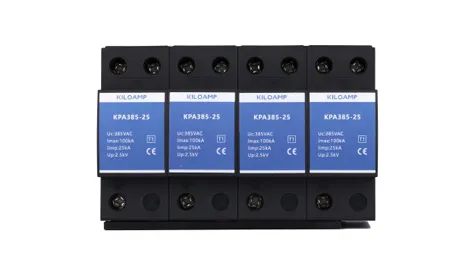
A Type 1 SPD is usually installed at the service entrance or main distribution point. It is designed to handle higher surge energy and is often used where the electrical system may be exposed to direct or high-energy lightning surge conditions.
Type 1 devices are commonly considered in buildings with external lightning protection systems, exposed power lines, industrial facilities, telecom sites, or locations with higher lightning risk. The main goal is to discharge large surge current before it travels deeper into the electrical system.
· Main incoming electrical panels
· Buildings with external lightning protection systems
· Industrial facilities with high lightning exposure
· Power distribution systems connected to overhead lines
· Telecom, transportation, and energy infrastructure sites
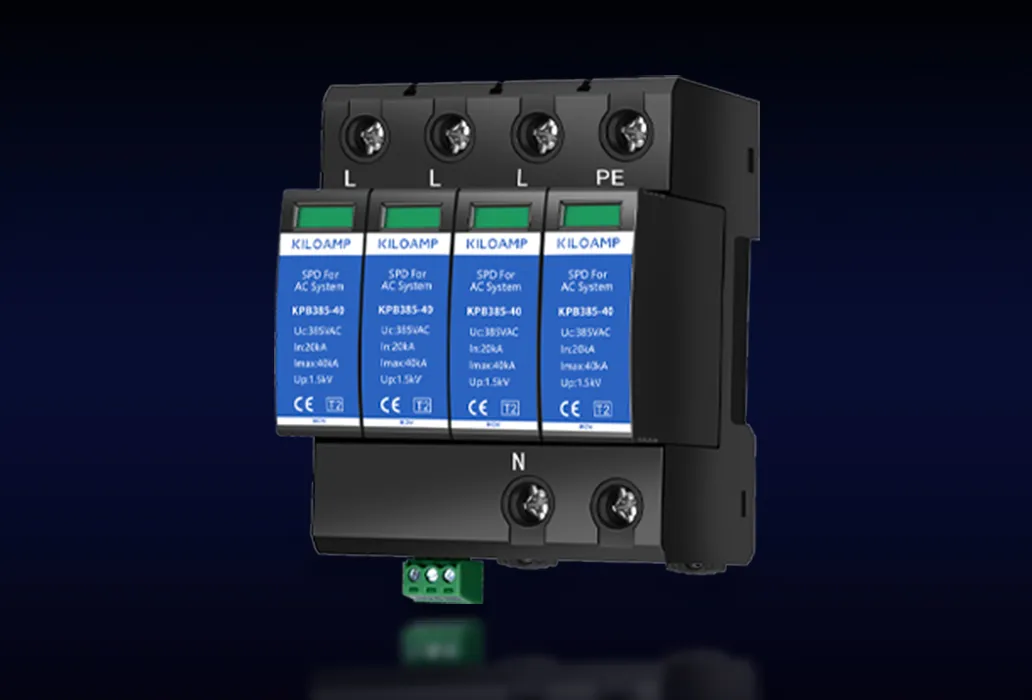
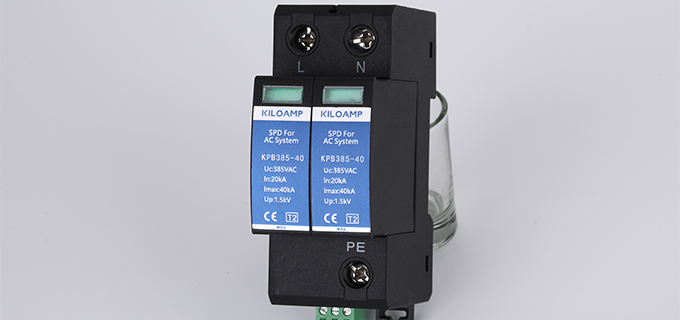
A type 2 surge protection device is usually installed in distribution boards or sub-distribution panels. It is one of the most commonly used SPD categories for commercial, industrial, and building electrical systems.
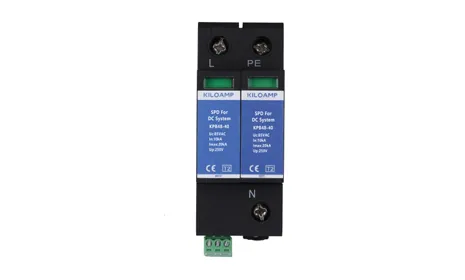
The purpose of a type 2 surge protection device is to reduce residual surge voltage after the first protection level and protect downstream circuits. It is widely used in low-voltage distribution systems, control panels, photovoltaic systems, power cabinets, and equipment rooms.
For many AC power distribution projects, KILOAMP’s power surge protector category can be used as a practical reference for panel-level surge protection selection.
· Sub-distribution boards and cabinet panels
· Industrial control panels
· Commercial building distribution systems
· PV combiner boxes and low-voltage power systems
· Power cabinets for automation, security, telecom, and data infrastructure
A type 3 SPD is typically installed close to terminal equipment. It is used for fine protection when sensitive devices need additional protection after upstream Type 1 or Type 2 protection has reduced the main surge energy.
Type 3 devices are commonly used for computers, controllers, communication devices, monitoring equipment, security cameras, and terminal power points. They should not be used as the only surge protection level in high-risk systems because they are not designed to discharge the highest surge energy.
· Terminal equipment power protection
· Control cabinets and PLC systems
· Communication and monitoring devices
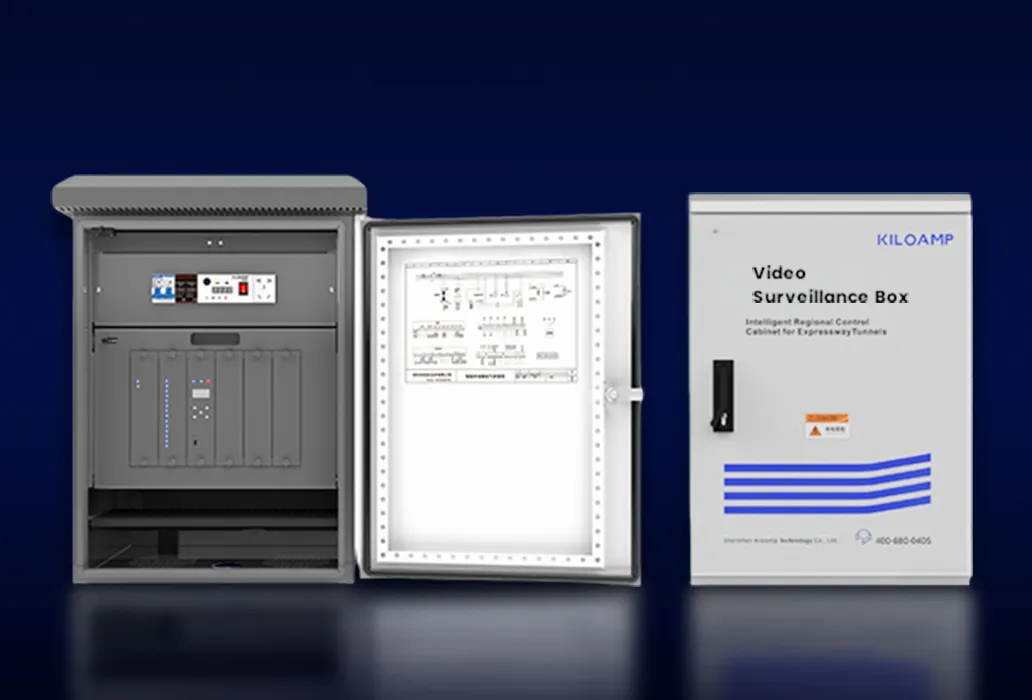
· Security and surveillance equipment
· Office and data terminal equipment
Selection Point | Type 1 SPD | Type 2 SPD | Type 3 SPD |
Installation position | Service entrance or main incoming panel | Distribution board or sub-panel | Near terminal equipment |
Protection role | Discharge high-energy surge current | Reduce residual surge voltage in distribution system | Fine protection for sensitive devices |
Common use | High lightning exposure sites | Most building and industrial distribution panels | Equipment-level protection |
Typical buyer | Electrical contractors, infrastructure projects | Panel builders, OEMs, integrators | Equipment integrators and maintenance teams |
Important note | Usually part of first protection level | Often the core SPD used in panels | Should coordinate with upstream SPD |
Selecting an SPD requires more than choosing a Type 1, Type 2, or Type 3 label. Buyers should confirm the electrical system and protection requirements first.
· Power system type: single-phase, three-phase, TN, TT, or IT system
· Nominal voltage and maximum continuous operating voltage
· Expected lightning exposure and installation environment
· Installation position in the electrical system
· Discharge current rating and protection level
· Coordination with upstream or downstream SPD devices
· Alarm contacts, replaceable modules, and maintenance indicators
· Compliance requirements for the target market or project specification
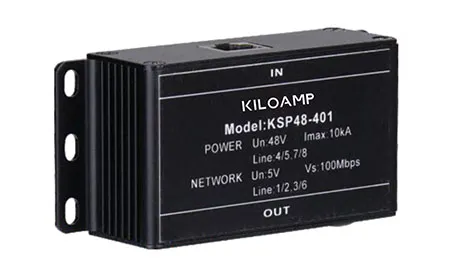
Many projects focus only on AC power surge protection, but sensitive systems may also need signal line protection. CCTV systems, PLC networks, RS485 communication, Ethernet cables, and RF systems can all be affected by surge energy entering through signal cables.
For this reason, power SPD and signal surge protector products should be planned together in applications such as security systems, automation control, telecom sites, and monitoring networks.
A type 3 SPD is intended for fine protection near terminal equipment. In high-risk systems, it should coordinate with upstream protection rather than replace Type 1 or Type 2 protection.
The same SPD may perform differently depending on cable length, grounding quality, and distance from protected equipment. Installation position should be included in the selection process.
Incorrect voltage selection can reduce protection effectiveness or cause device failure. Always match SPD voltage rating to the real electrical system.
Sensitive communication and monitoring equipment can be damaged through signal cables even when power lines are protected. Complete protection should include both power and signal paths when necessary.
The main surge protective device types are Type 1, Type 2, and Type 3. Type 1 is used near the service entrance, Type 2 in distribution panels, and Type 3 near sensitive terminal equipment.
A type 2 surge protection device is commonly installed in distribution boards, sub-panels, control cabinets, and low-voltage power systems to reduce surge voltage for downstream circuits.
Yes. Many systems use Type 1 and Type 2 SPD together as coordinated protection. Type 1 handles higher surge energy, while Type 2 reduces residual surge voltage in the distribution system.
A type 3 SPD is useful for fine protection near sensitive equipment, but it is usually most effective when coordinated with upstream Type 1 or Type 2 surge protection.
Understanding surge protective device types helps buyers build safer and more reliable electrical protection systems. Type 1 SPD is used for high-energy surge discharge near the incoming side, Type 2 SPD protects distribution panels, and Type 3 SPD provides fine protection near terminal equipment.
For industrial, telecom, security, data center, and infrastructure projects, KILOAMP can support SPD selection across power, signal, RF, PoE, and cabinet-level protection applications.



 English