

As modern buildings become increasingly dependent on electrical systems, smart technologies, and sensitive equipment, the need for effective lightning protection has never been greater. Every year, lightning strikes cause billions of dollars in property damage worldwide, affecting residential buildings, commercial facilities, industrial plants, hospitals, schools, and data centers.
A professional lightning arrester installation for building is one of the most effective ways to minimize the risks associated with lightning strikes and electrical surges. Whether you're constructing a new building or upgrading an existing structure, investing in a reliable lightning protection system can safeguard lives, property, and valuable electronic equipment. At KiloAmp Protect, we specialize in advanced lightning and surge protection solutions designed to help building owners reduce risks and improve electrical safety.
A lightning arrester is a protective device installed on a building to safely intercept and redirect lightning current into the ground before it can damage the structure or electrical systems. A complete lightning protection system typically includes:
Air terminals (lightning rods)
Down conductors
Grounding electrodes
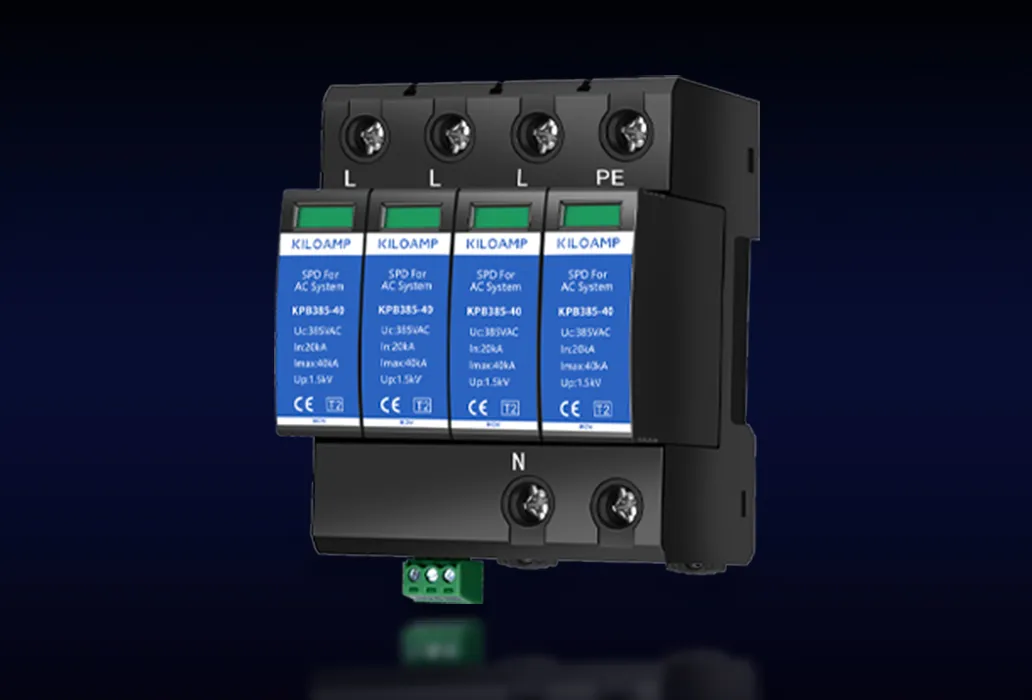
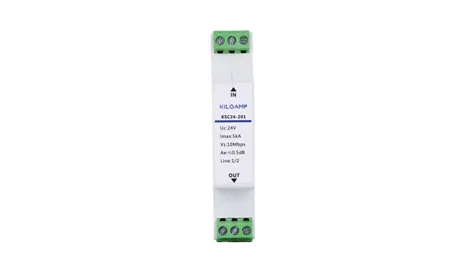
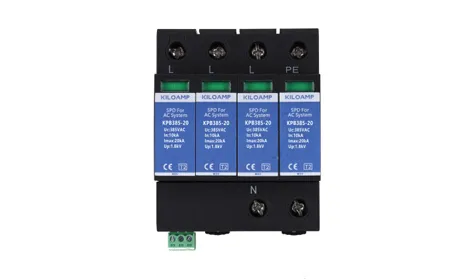
Surge protection devices (SPDs)
Equipotential bonding systems
When lightning strikes, the system provides a low-resistance path that safely channels the massive electrical energy into the earth.
Many building owners assume lightning strikes are rare. However, even indirect lightning activity can create dangerous electrical surges capable of damaging:
Electrical panels
HVAC systems
Security systems
Data networks
Fire alarm systems
Industrial machinery
Home appliances
Solar power systems
Without proper protection, a single lightning event can result in:
Expensive equipment damage
Building fires
Business interruptions
Data loss
Insurance claims
Safety hazards
The process is relatively straightforward:
Air terminals installed at strategic locations capture the lightning strike.
Down conductors carry the lightning current safely toward the ground.
Grounding electrodes disperse the energy into the earth.
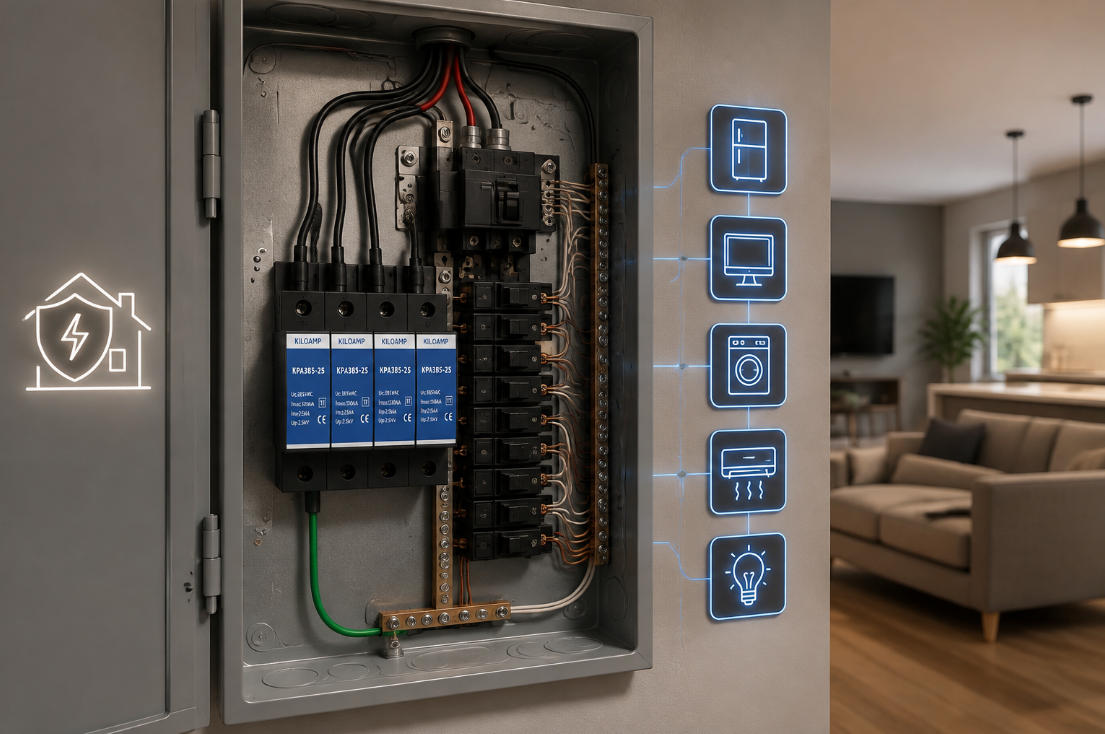
Surge protection devices prevent residual voltage from entering sensitive electrical equipment.
Installed at the highest points of the building, these rods are designed to intercept lightning before it strikes vulnerable areas.
Heavy-duty conductors connect air terminals to the grounding system.
A properly engineered grounding network safely disperses lightning energy underground.
SPDs protect electrical and electronic systems from transient overvoltages caused by lightning activity.
Bonding ensures all metallic components maintain equal electrical potential during a lightning event.
Lightning arrester installation is recommended for:
Residential homes
Apartment complexes
Commercial buildings
Shopping malls
Hospitals
Schools and universities
Manufacturing facilities
Warehouses
Data centers
Telecommunications towers
Solar farms
High-rise structures and buildings located in lightning-prone regions are especially vulnerable.
The primary objective of a lightning protection system is safeguarding human life.
Lightning can generate temperatures exceeding 30,000°C, creating serious fire hazards.
Sensitive electronics and automation systems remain protected from destructive voltage surges.
Preventing lightning damage reduces repair expenses and equipment replacement costs.
For commercial facilities, lightning protection helps minimize downtime and operational disruptions.
Buildings equipped with professional lightning protection systems are often viewed as safer and more resilient assets.
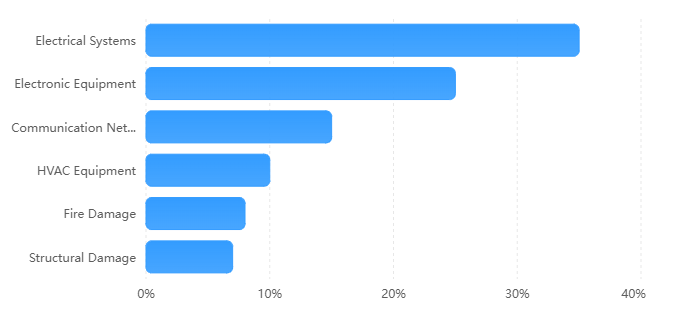
The following chart illustrates common areas affected by lightning-related damage.
Common lightning-related damage areas
Estimated distribution of lightning damage incidents in buildings
Engineers evaluate:
Building height
Roof design
Geographic location
Lightning exposure level
Existing grounding systems
A customized protection plan is developed according to recognized standards such as:
NFPA 780
IEC 62305
UL 96A
Qualified technicians install:
Air terminals
Conductors
Ground electrodes
Surge protection devices
Ground resistance and system continuity are verified to ensure optimal performance.
Many building owners mistakenly believe lightning rods alone provide complete protection. In reality, lightning protection and surge protection work together. A lightning rod safely diverts the main strike current, while surge protection devices defend sensitive electrical equipment against residual transient voltages. For maximum protection, experts recommend integrating:
External lightning protection systems
Internal surge protection systems
Proper grounding networks
This layered approach provides comprehensive building protection.
At KiloAmp Protect, we focus on delivering advanced protection solutions for residential, commercial, and industrial applications. Our advantages include:
High-performance lightning arresters
Industrial-grade surge protection devices
Reliable grounding solutions
International-standard designs
Long-term durability
Technical support and consultation
Whether protecting a home, office building, factory, or data center, KiloAmp Protect helps customers reduce lightning-related risks and improve electrical system reliability.
As smart buildings continue to evolve, lightning protection systems are becoming more sophisticated. Emerging trends include:
Smart monitoring systems
Remote grounding diagnostics
IoT-enabled surge protection
Integrated building management systems
Enhanced renewable energy protection
These technologies help facility managers monitor protection system health and respond proactively to potential issues.
A professional lightning arrester installation for building is no longer a luxury—it's a necessity for modern structures. Lightning strikes can cause catastrophic damage to electrical systems, sensitive equipment, and even building occupants. By combining lightning arresters, grounding systems, and surge protection devices, building owners can significantly reduce risks while improving safety, reliability, and operational continuity. With advanced protection solutions from KiloAmp Protect, you can build a stronger defense against one of nature's most powerful forces.
1. What is the purpose of a lightning arrester?
A lightning arrester safely diverts lightning current into the ground, protecting buildings and electrical systems from damage.
2. Is a lightning rod the same as a lightning arrester?
A lightning rod is typically one component of a complete lightning arrester system that also includes conductors and grounding equipment.
3. How much does lightning arrester installation cost?
Costs vary depending on building size, height, location, and system complexity. Larger commercial buildings generally require more extensive protection systems.
4. Do residential buildings need lightning protection?
Yes. Homes located in regions with frequent thunderstorms can benefit significantly from lightning protection systems.
5. Can lightning damage electronics even if a building has a lightning rod?
Yes. That's why surge protection devices should be installed alongside lightning arresters.
6. How often should a lightning protection system be inspected?
Most experts recommend inspections annually and after any major lightning event.
7. What standards govern lightning protection installations?
Common standards include NFPA 780, IEC 62305, UL 96A, and local electrical regulations.
8. How long does a lightning arrester system last?
A properly installed and maintained system can provide reliable protection for decades.



 English