

When shopping for a surge protector, one of the most important specifications you'll encounter is the joules rating. But what does it actually mean, and how many joules do you really need?
The short answer:
| Device Type | Recommended Joules Rating |
|---|---|
| Phone chargers & small electronics | 500–1,000 Joules |
| TVs & gaming consoles | 1,000–2,000 Joules |
| Desktop computers & workstations | 2,000–3,000 Joules |
| Home office equipment | 2,500–4,000 Joules |
| Smart home systems | 3,000+ Joules |
| Industrial equipment | 4,000+ Joules |
For most homeowners, a surge protector rated between 2,000 and 3,000 joules provides excellent protection against common power surges.
A joule is a unit of energy. In surge protection, the joules rating indicates how much excess electrical energy a surge protector can absorb before it fails. Think of it as the size of a protective shield:
Higher joules = larger energy absorption capacity
Lower joules = less protection
Once the protector absorbs its rated energy, its effectiveness decreases
For example:
A 500-joule protector may handle a few minor spikes.
A 3,000-joule protector can withstand significantly larger and more frequent surges.
Many people associate power surges with lightning strikes, but lightning is only one source. Common causes include:
Utility grid switching
Air conditioners cycling on and off
Refrigerators and freezers starting
HVAC systems
Industrial equipment nearby
Faulty wiring
Generator transfers
Electrical storms
Research shows that most power surges originate inside the building, not from external sources. This means sensitive electronics are constantly exposed to small voltage spikes that gradually shorten their lifespan.
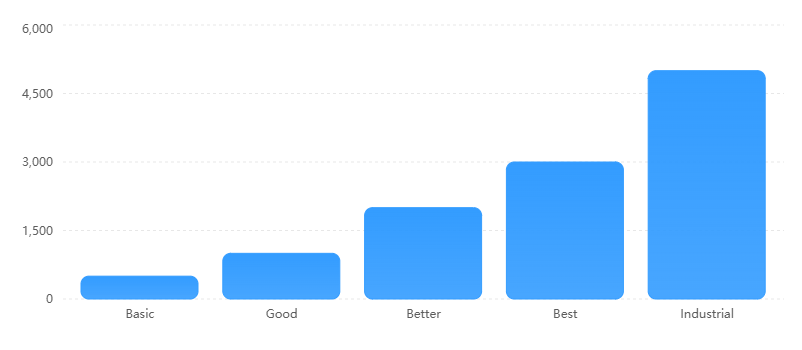
The following chart shows how protection levels increase with higher joules ratings. Surge Protector Protection Levels
Quick Interpretation
500–1,000 Joules: Basic protection
1,000–2,000 Joules: Good household protection
2,000–3,000 Joules: Recommended for valuable electronics
3,000–5,000 Joules: Advanced protection
5,000+ Joules: Commercial and industrial environments
Generally, yes—but only to a point. A higher joules rating means:
Longer service life
Better absorption capacity
Increased protection against repeated surges
However, the joules rating should not be your only consideration. You should also evaluate:
Clamping voltage
Response time
UL certification
Maximum surge current
Warranty coverage
Whole-house protection capability
A 4,000-joule surge protector with poor clamping voltage may perform worse than a high-quality 2,500-joule model.
Modern computers contain:
Motherboards
SSDs
GPUs
Network adapters
These components can be damaged by even small voltage spikes. Recommended rating: 2,000–3,000 Joules
Large-screen TVs and gaming systems often represent thousands of dollars in equipment. Recommended rating: 1,500–3,000 Joules Ideal for:
Smart TVs
Sound bars
Gaming consoles
Streaming devices
A typical home office may include:
Computer
Monitor
Printer
Router
NAS storage
Recommended rating: 2,500–4,000 Joules
Smart homes contain numerous connected devices:
Security cameras
Smart thermostats
Wi-Fi systems
Home automation hubs
Recommended rating: 3,000+ Joules
Many consumers rely solely on power strips. Unfortunately, plug-in surge protectors can only do so much. A layered protection strategy is best:
Installed at the electrical panel. Benefits:
Protects every circuit
Handles larger surges
Guards HVAC and appliances
Reduces cumulative damage
Installed near sensitive equipment. Benefits:
Additional filtering
Protection for electronics
Reduced residual voltage
This two-stage approach delivers significantly better protection than either solution alone.
Even the best surge protector won't last forever. Replace your surge protector if:
Protection indicator light is off
Device is more than 3–5 years old
It has experienced a major surge event
Housing appears damaged
Outlets feel loose
Warranty period has expired
Remember: a surge protector can continue supplying power even after its protection circuitry has failed.
Low-cost surge strips often advertise impressive joules ratings but may lack:
Quality MOV components
Thermal protection
Industrial certifications
Long-term reliability
Professional-grade solutions are designed to:
Handle repeated surge events
Protect critical equipment
Meet commercial standards
Deliver consistent performance over years of operation
For facilities with valuable electronics, network infrastructure, manufacturing systems, or smart building controls, investing in higher-quality surge protection can significantly reduce downtime and replacement costs.
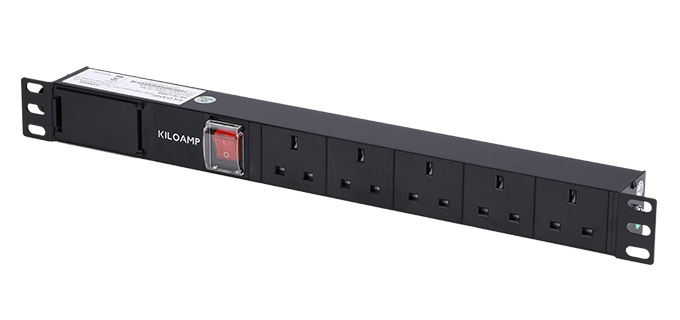
At KiloAmp Protect, we specialize in advanced surge protection solutions engineered for residential, commercial, and industrial applications. Our approach focuses on:
High surge current capacity
Reliable energy absorption performance
Fast response times
Long service life
Compliance with industry standards
Whether you're protecting a home office, data center, industrial control panel, or commercial facility, selecting the proper surge protection solution starts with understanding the right joules rating and overall system design.
What is considered a good joules rating for a surge protector?
For most homes, a surge protector rated between 2,000 and 3,000 joules provides strong protection for computers, TVs, networking equipment, and home office electronics.
Is 900 joules enough for a surge protector?
A 900-joule rating is suitable for basic electronics and small appliances, but it may not provide adequate protection for expensive computers, gaming systems, or professional equipment.
Is 2,000 joules good for a surge protector?
Yes. A 2,000-joule surge protector is widely considered an excellent choice for most residential applications and offers a good balance between protection and cost.
How many joules do I need for a TV?
For modern TVs and entertainment systems, a surge protector with 1,500–3,000 joules is generally recommended.
Does a higher joules rating mean better protection?
In most cases, yes. A higher joules rating indicates greater energy absorption capacity and typically a longer useful lifespan. However, clamping voltage, response time, and product quality are also important factors.
How long does a surge protector last?
Most surge protectors last between 3 and 5 years, depending on the number and severity of surge events they absorb.
Should I use a whole-house surge protector?
Yes. Whole-house surge protection provides the first line of defense against major surges entering through your electrical service and complements plug-in surge protectors for comprehensive protection.
If you're wondering "what is a good joules rating for a surge protector?", the answer depends on what you're protecting. For most homes and offices:
2,000–3,000 Joules = Excellent Protection
3,000–5,000 Joules = Premium Protection
5,000+ Joules = Commercial & Industrial Protection
The smartest strategy is combining a high-quality surge protector with a professionally installed whole-house surge protection system. This layered approach provides maximum defense against both everyday voltage spikes and major surge events, helping extend the life of your valuable electrical equipment.



 English